Walter Hoyle

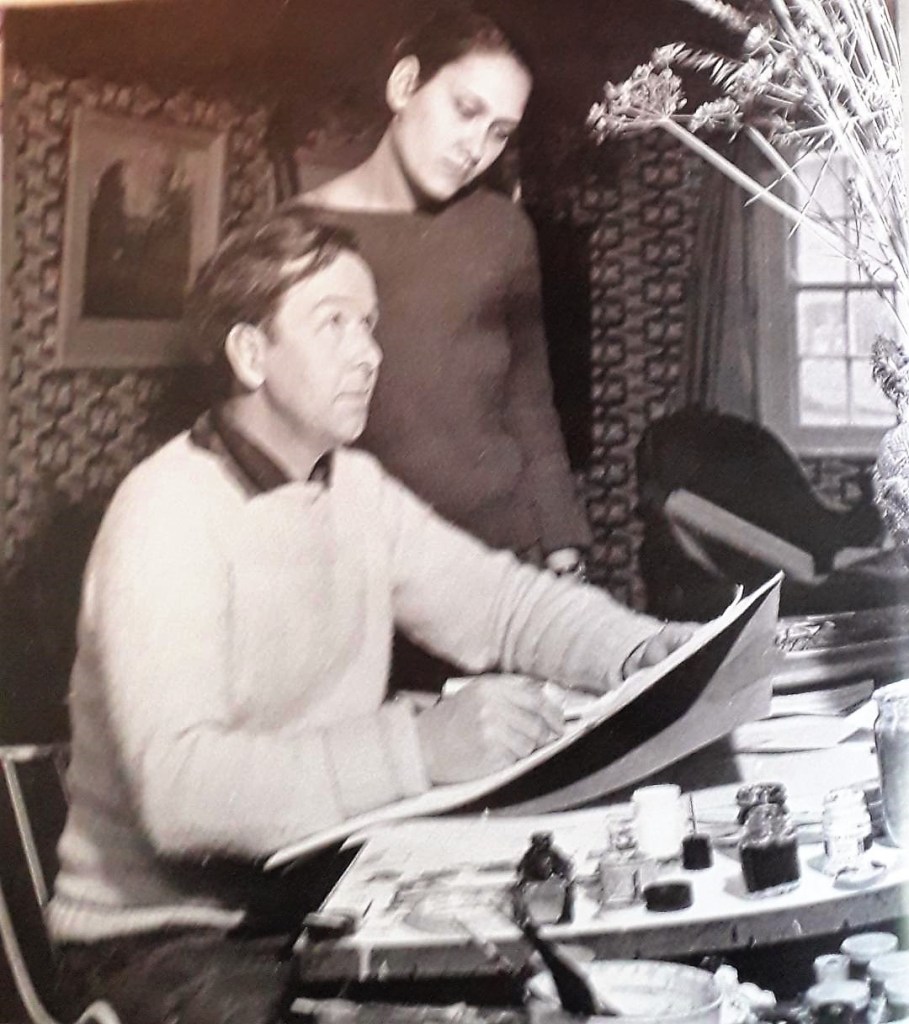
Walter Hoyle and Denise Hoyle

Walter Hoyle (1922–2000) was a latecomer to the art community of Great Bardfield moving to the Essex village in 1952.

Hoyle was born in Rishton, Lancashire in 1922.  His father died when he was three years old, this having a lasting effect on him and his two older brothers and sister. The children went to live with an aunt in Blackpool while Hoyle’s mother went to London in search of work. Mrs Hoyle found work with an artist’s agency and later settled in Beckenham, Kent opening a bakers shop on the high street.

Walter and his siblings joined her and aged sixteen he entered Beckenham School of Art. In 1940 he was awarded a place at the Royal College of Art, the college relocating to Ambleside due to the war. He studied there until being called up in 1942.

As an army medical orderly, he was posted to India in 1945 returning to the UK in 1947.

He was offered a post graduate year at the RCA and it was here then that he first came across Edward Bawden who became a friend and close influence. He took up a funded place to study mosaics at the Byzantine Institute of America in Istanbul, prompting an interest in Byzantine colour and design.
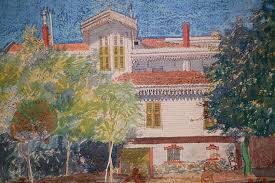
The Modo, Istanbul.

Hoyle recalled: ‘It was the beginning of my fourth year at the RCA and there I met Edward. After leaving the RCA I spent another seven months in Istanbul, and it was on my return that Edward invited me to Great Bardfield.  ‘The first time I met Edward he was with John Nash and Kenneth Rowntree.  Edward and Nash were marvellous together, constant banter and leg pulling, rather like Morecambe and Wise.’

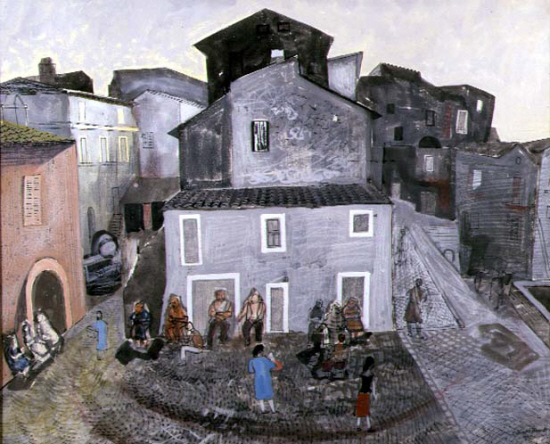
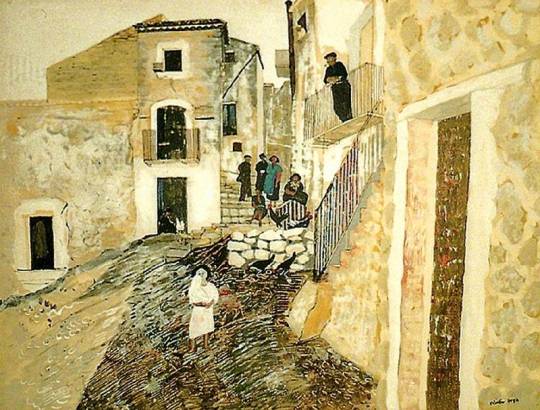
In 1950, Bawden asked Hoyle, along with Sheila Robinson, to help with the completion of his Country Life mural for the Lion and Unicorn pavilion at the Festival of Britain. The next year Bawden invited Hoyle to accompany him on a painting holiday to Sicily. Hoyle’s resulting paintings were exhibited at the Leicester Galleries, London, in 1952. It was this close friendship with Bawden that eventually led to Hoyle moving to Great Lodge Farm cottage, Great Bardfield.
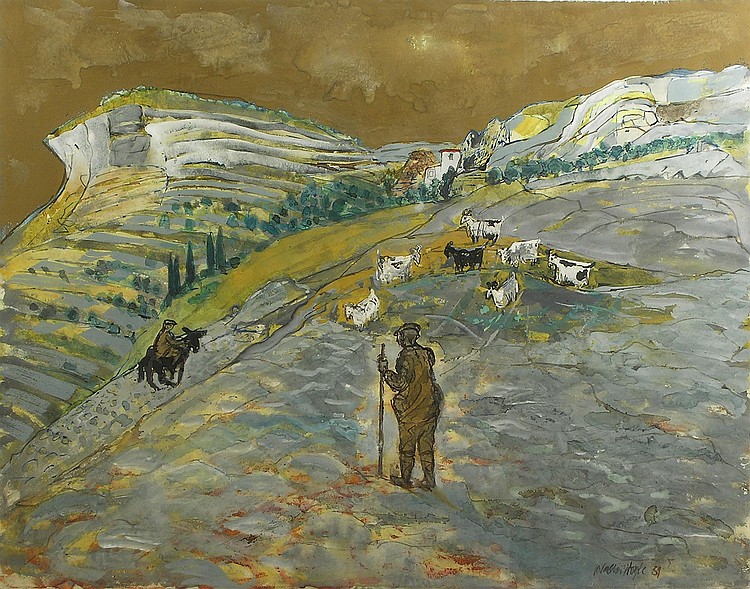
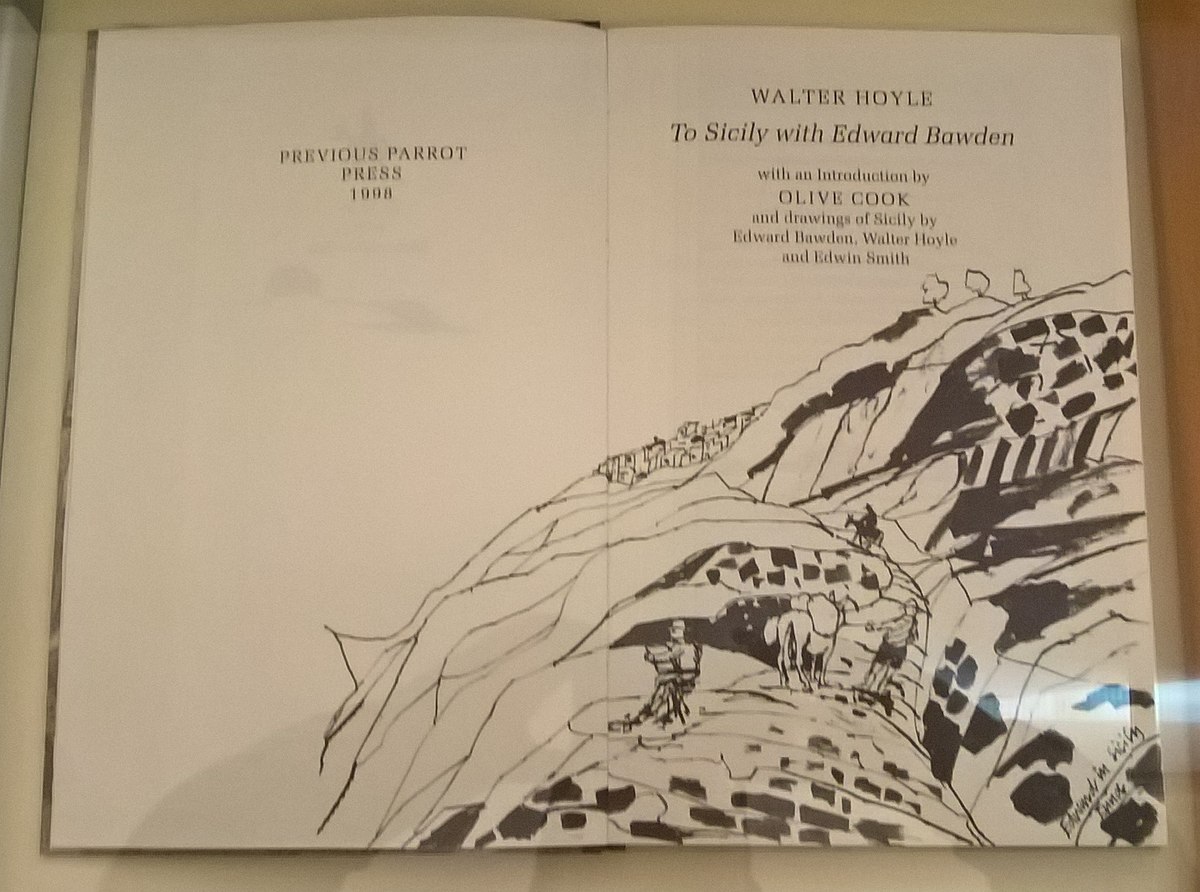
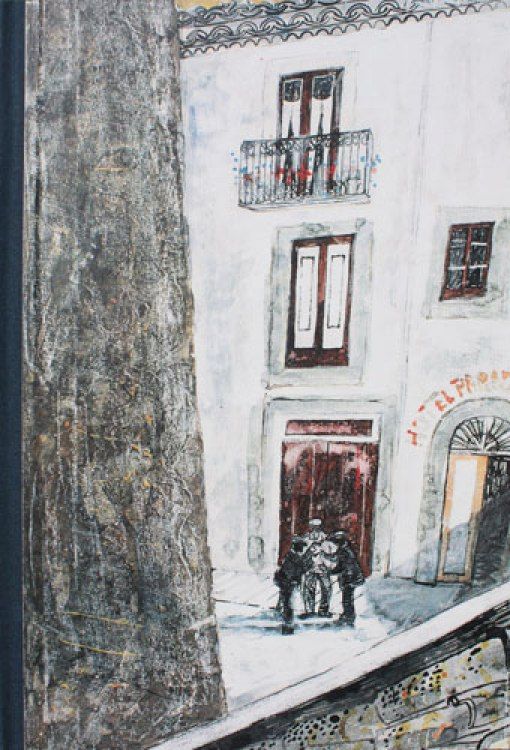
Paintings of the trip to Sicily including the now rare book ‘To Sicily With Edward Bawden’. Published in a limited edition of 350. Signed by Olive Cook (intro) and Hoyle. The book was originally published in handwritten form in 1990 in a limited edition of just ten copies. 

Hoyle was soon introduced to the other Great Bardfield artists including John Aldridge. Hoyle stated:’ John, having a private income amongst all the Great Bardfield artists was a capitalist and a conservative. He had not gone through the art college system nor developed alongside art students most of whom were always hard up………John had a powerful car, an Alvis and when he got behind the wheel, he enjoyed the power and speed the car offered him.’
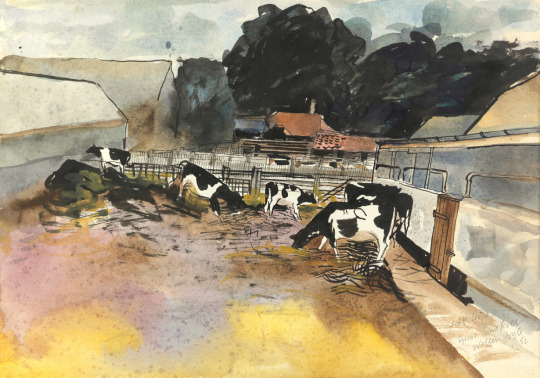
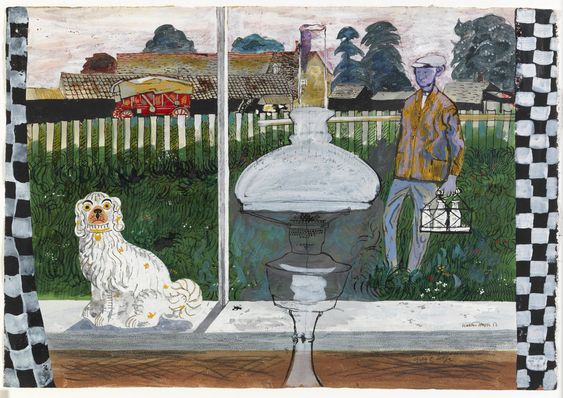
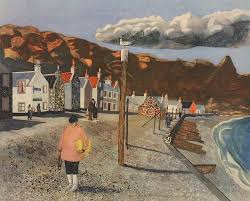
Paintings of Great Lodge Farm, the cottage was dilapidated when Hoyle moved in.

Hoyle took part in the Great Bardfield Open House exhibitions in 1954, 1955 and 1958 (designing the catalogue cover for the 1958 exhibition). At the first of these he met his French-born wife, Denise, an artist in her own right. Denise’s wealthy artistic employers had secured her services as an au pair in London, they were friends with Michael Rothenstein who had moved to Great Bardfield in 1941. Walter and Denise’s children, James and Nina were born in 1956 and 1960 respectively. In 1957, the family moved to the neighbouring village of Great Saling.
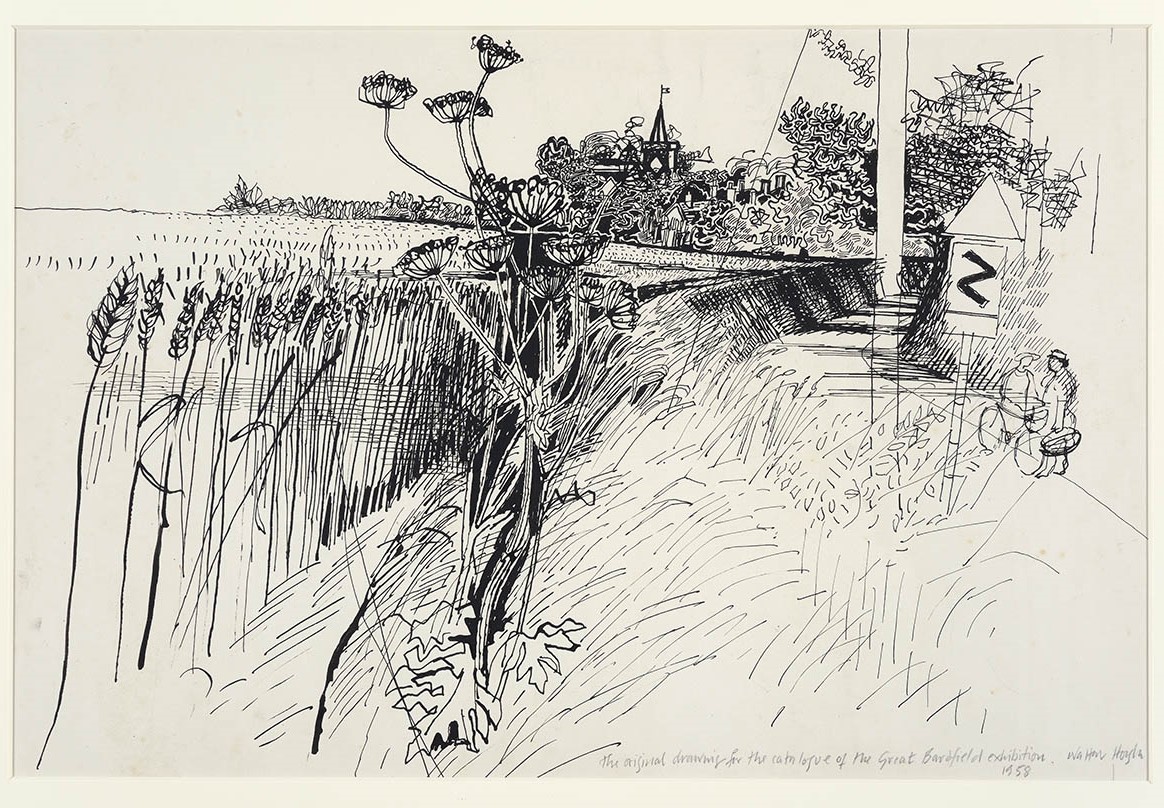
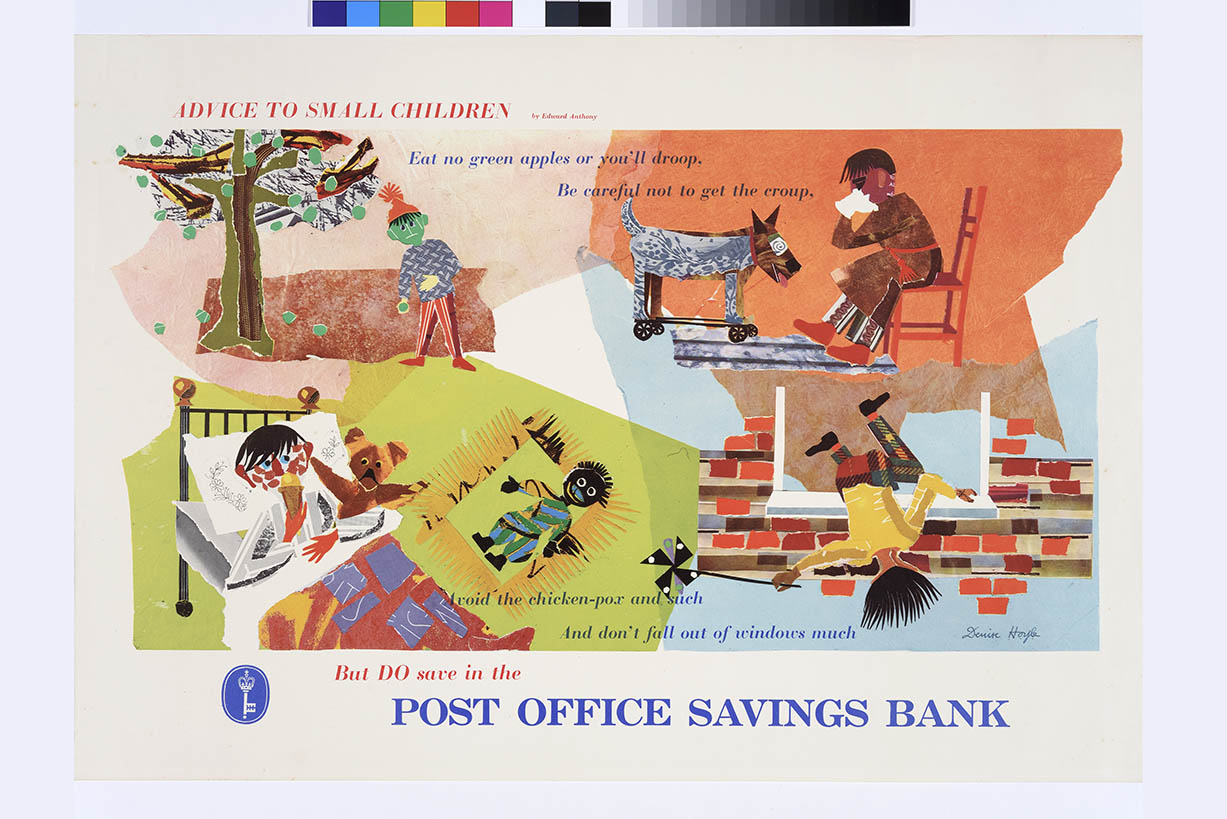
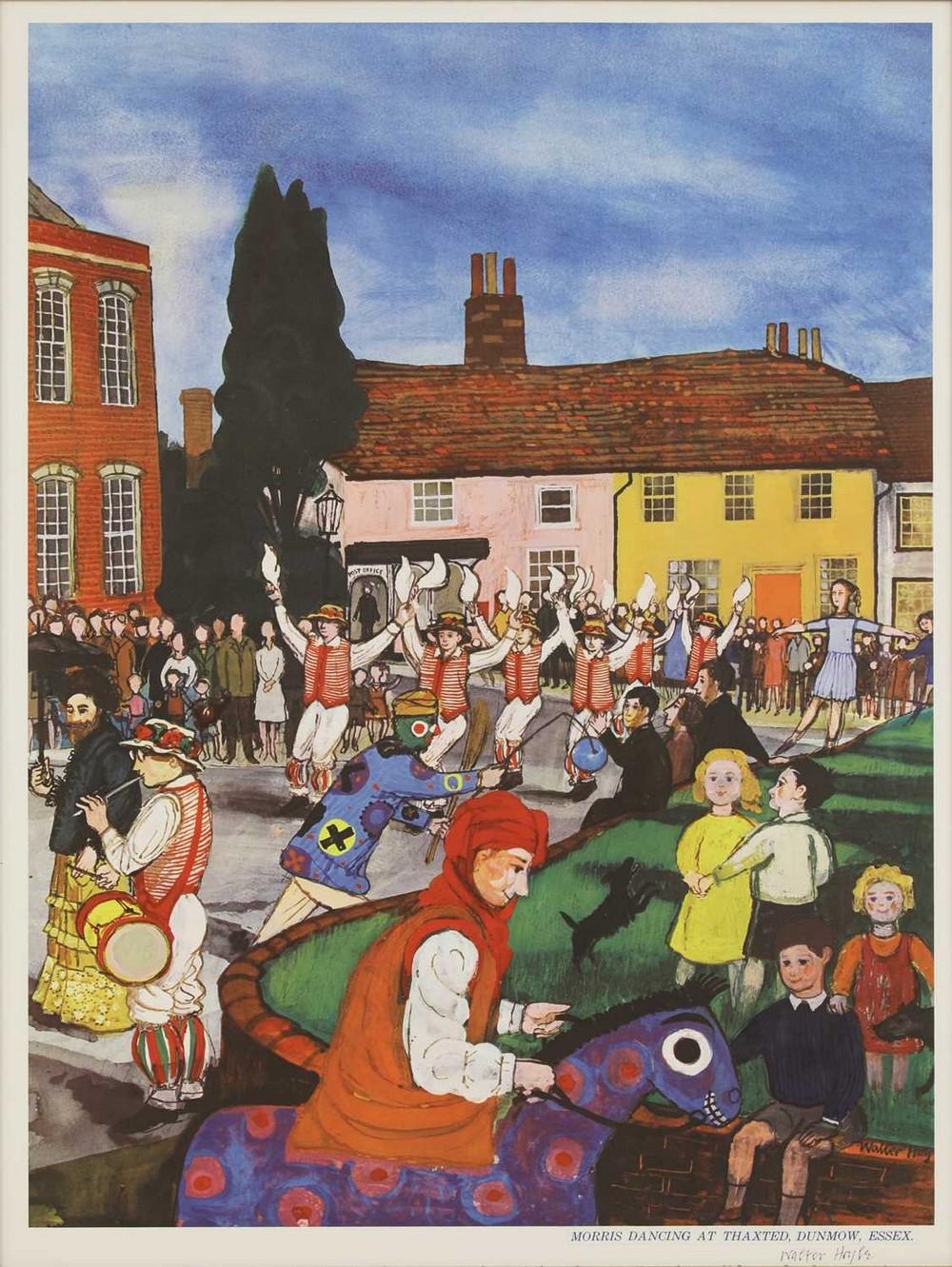
The first pic here is Hoyle’s ink drawing which was used as the cover for the 1958 Great Bardfield Summer Exhibition catalogue. A great year as Bolton Wanderers beat Man U 2-0 in the FA Cup Final !! Had to get that in. Hoyle produced many illustrations for the Post Office Savings Bank also pictured here.

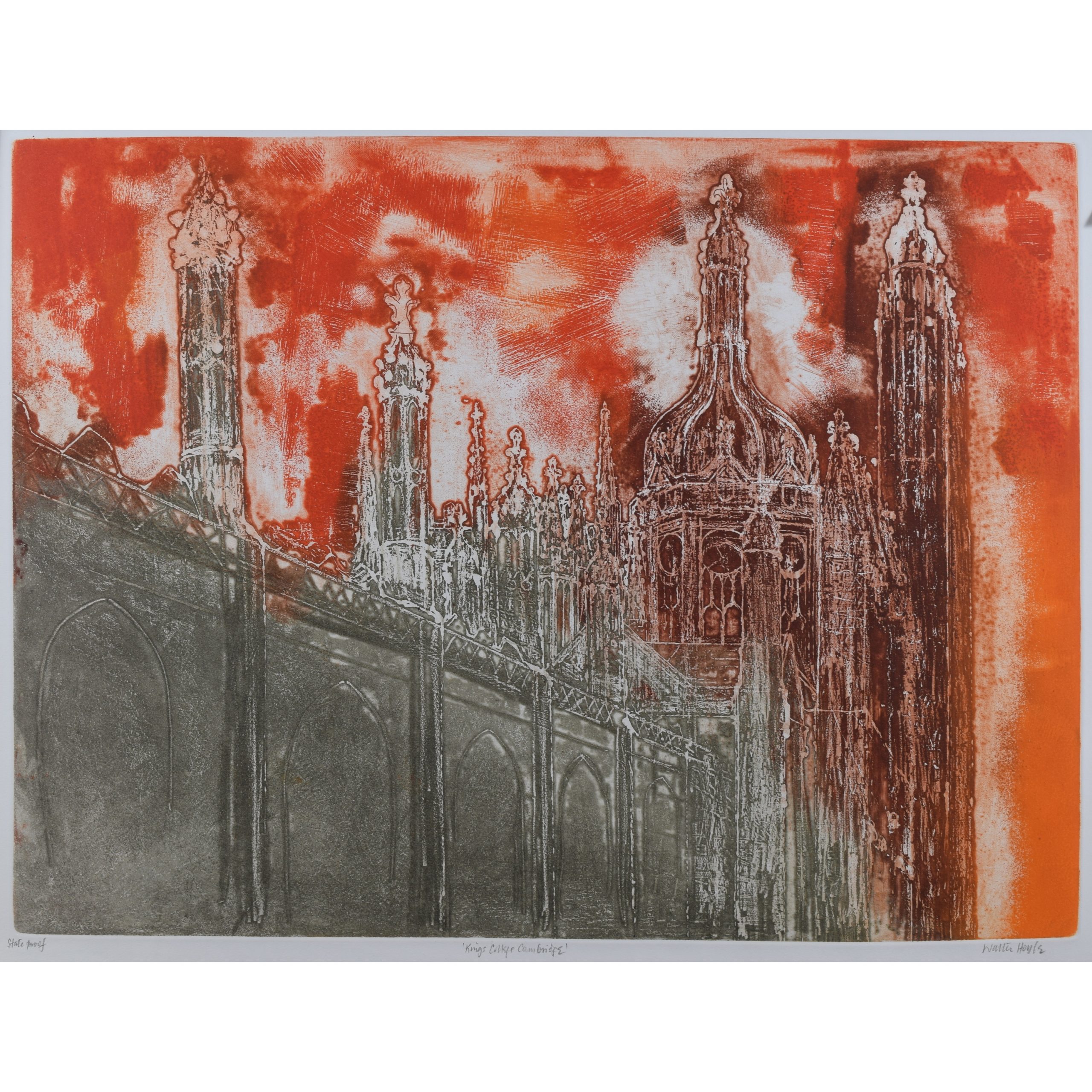
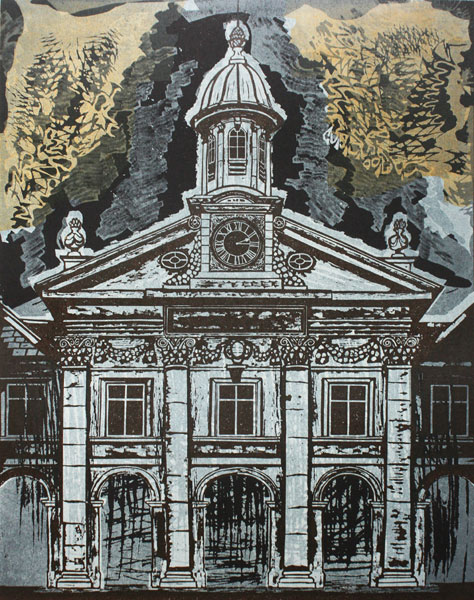
Hoyle was working at the Central School of Art, London but found the travelling quite tiring. He was, therefore, relieved to secure a post at the Cambridge School of Art where he set up a print-making studio. In 1975 the family moved to Bottisham, nearer to Cambridge. Retiring from the school there in1984. That year Walter and Denise moved to Hastings to be within reach of the flat they had bought in Dieppe a year earlier Hoyle continued to work on his art between Hastings and Dieppe until he died of a heart attack in 2000.
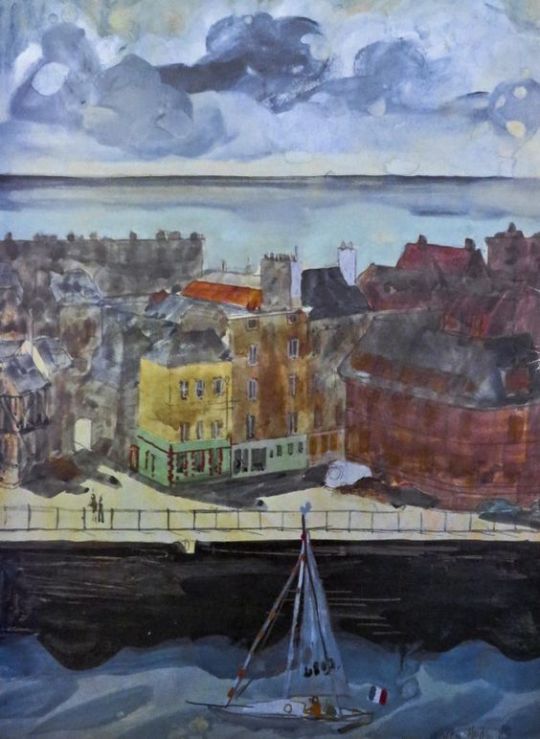
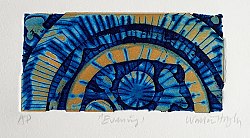
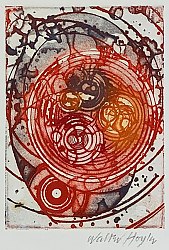
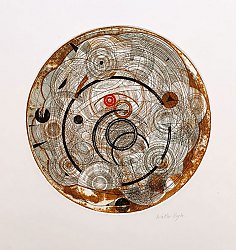
The Hoyle’s would travel from Hastings to Dieppe via the ferry from Newhaven. The first pic here is a painting of Dieppe Harbour. Also included here some of Hoyle’s later work.
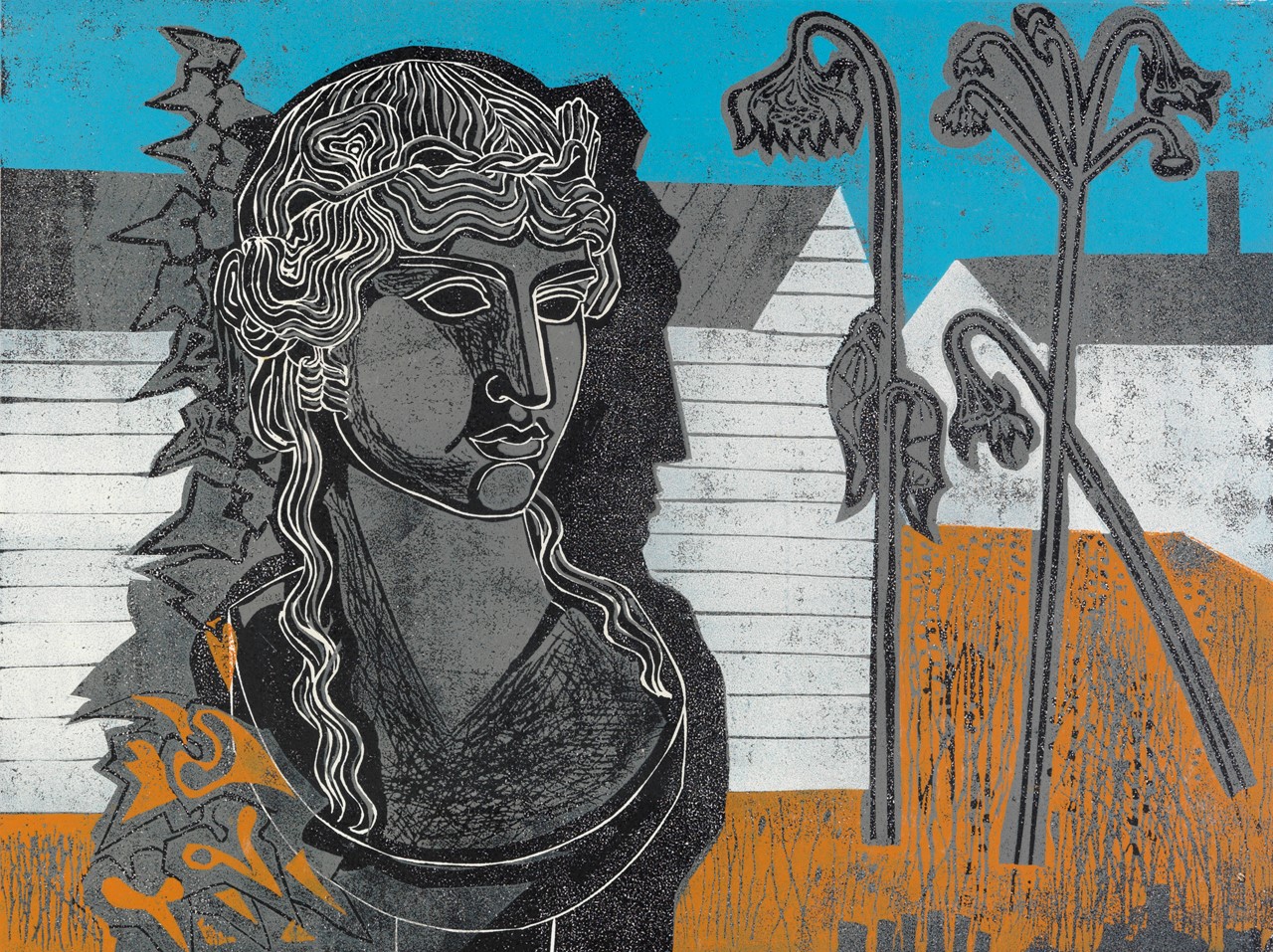
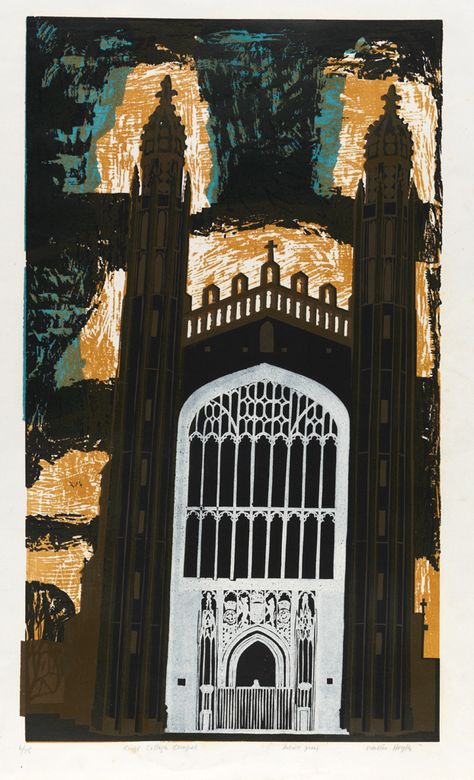
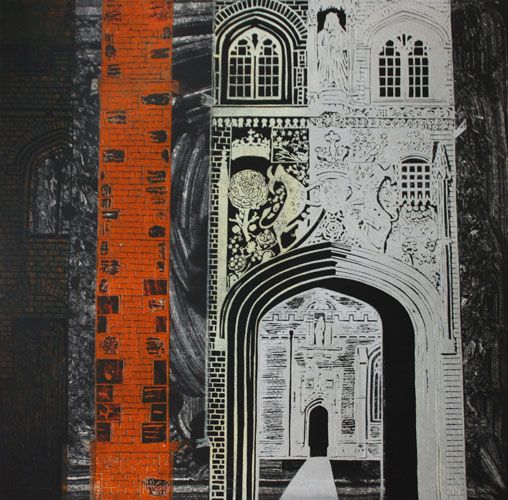
Hoyle’s lino-cut ‘Bust in a Garden’ plus lino-cuts from the Cambridge series.
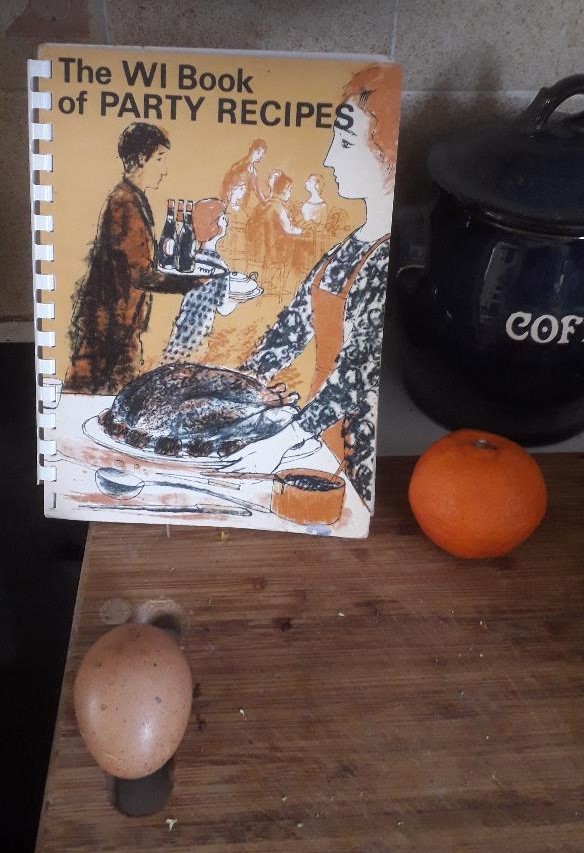
I will conclude on a personal note as taking pride of place in my kitchen is the Women’s Institute Book of Party Recipes 1969 illustrated by Walter Hoyle. Just in case lock-down ever ends and I want to throw a party ! The accompanying illustrations inside are superb and I will sometime share them on the John Aldridge and Friends Facebook page. https://www.facebook.com/JohnAldridgeArtist

Graham Bennison February 28th, 2021. https://www.facebook.com/BennisonArtist
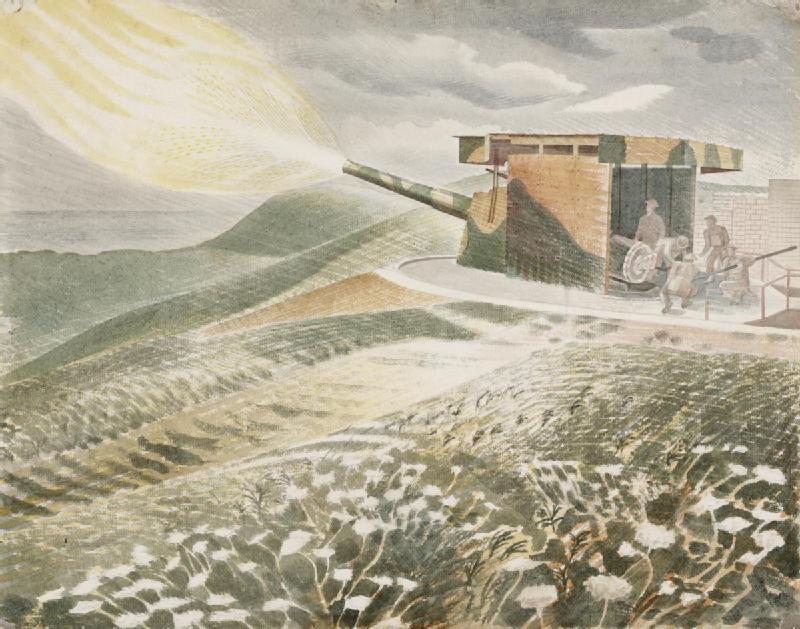
Eric Ravilious in Dover

Firing a Gun, 1941.

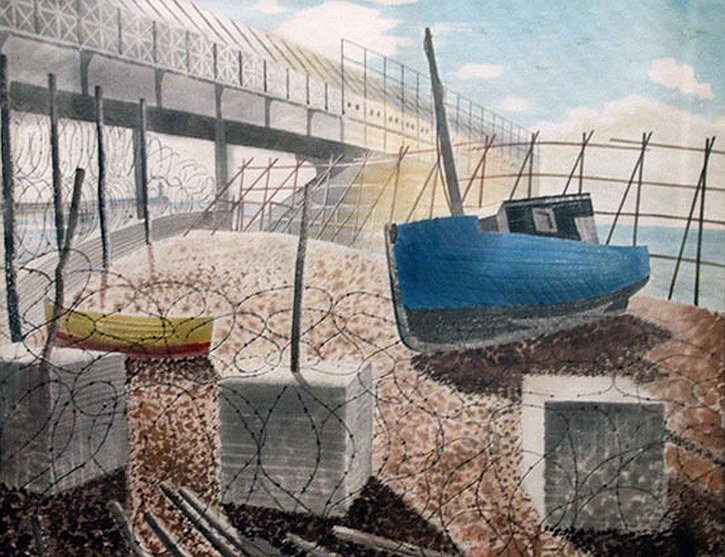
Following a short spell in Dover in May 1941 Ravilious returned to the family home now in Ironbridge, near Braintree, Essex. At the end of July he returned to Dover for a six month spell. That summer Ravilious commenced his second commission as a war artist. He was asked by the Admiralty to record the cross-channel shelling of the south coast.  Stationed at Dover Ravilious managed to visit Underhill Farm near Rye where Diana Low had temporarily returned from Wiltshire and where Stephen Spender, her sisters’ brother-in-law and his wife were staying along with Diana’s husband Clissold Tuely.  Diana’s sister Margaret married Humphrey Spender in 1937, Humphrey became famous for the mass social observation project ‘Worktown’ based in Bolton. Margaret died in 1945 …….   See https://httpartistichorizons.org/2020/10/27/diana-mabel-low-born-3rd-february-1911-died-20th-may-1975-2/

On the 19th  of August Ravilious wrote:   Dover is a good place. Except for shelling all the bombardment takes place on the other side and is an extraordinary sight – Fireworks very clear and small.  It is difficult to paint and I rather think funk trying to the dramatic again….. Last night when there was more shelling as well as wind and rain, it was pandemonium for a short time – The beaches are fuller than ever of curious flotsam and there was a skeleton under the cliff the other day; it was hard to tell, but I think it was a horse.

Bombing the Channel Ports by Eric Ravilious 1941 looking East towards Dover. A forerunner of radar, acoustic mirrors were built on the south and northeast coasts of England between about 1916 and the 1930’s.

There was a parachute and a lobsterpot with three crabs inside and a capital rowing boat by G Renier of Guernsey, bright red and banana yellow – I wonder if somebody landed in it ?  It was so irresistible I made a tolerably good drawing of it, with some shelling going on at sea. This happened at the time – aimed at some trawlers – so I put it in as inconspicuously as possible.  Under the big cliff there is driftwood and logs and bits of plane, boats and rope ladders.  Last year my landlord found a draper’s roll of black pinstripe suiting which he wears on Sundays now.

South Coast Beach Drift Boat

But then Ravilious moved his lodgings to c/o Mrs Jarvest, 27 Old Folkstone Road, Dover.

This is about a mile out of Dover under the Shakespeare Cliff….it is a nice place here, not too big and grand and majestically naval and I feel a stir in me that it is really possible to like drawing wartime activities.  The town is almost empty and lots of sad ruins and I feel tempted to try some of the wallpapery interiors, in fact will do so later on.  There are a few beauties.  It is much livelier where I am now, also more on the spot for drawing.  I got up during the night to have a look at the shelling from the Cliff and it is an appalling noise but that is about all.  It did no harm.

Cross Channel Shelling Searchlight at Dusk Shelling By Night, Dover Harbour.

There is a great flash and explosion on the French side and then about 80 seconds later the shell lands in the sea – and a second bang and the sky lights up – I doubt if I can draw this –  It is too formless.   I’ll try it very small and see what happens.

Tirzah wrote I wonder what you were doing while they were shelling Dover.  I hope you are still intact.  Luckily I only hear about these things a long time after they have occurred.

Following his spell in Dover Ravilious travelled north to Rosyth lodging there with John and Christine Nash.   See…… https://httpartistichorizons.org/2020/05/15/eric-ravilious-in-fife-and-dundee/

Graham Bennison, February 2021 https://www.facebook.com/BennisonArtist

Sylvia Pankhurst

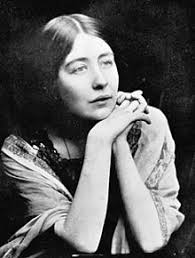
A young Sylvia Self portrait in chalk circa 1907-10

Estelle Sylvia Pankhurst was born 5th May 1882 in Manchester, she was an artist, a campaigner for the suffragette movement, a socialist and later a prominent left communist and activist in the cause of anti-fascism.

Pankhurst was the second of three daughters born to Richard and Emmeline Pankhurst who both became founding members of the Independent Labour Party and lobbied for women’s rights. Her father died when she was just sixteen. Sylvia, who dropped her forename Estelle, and her sisters, Christabel and Adela, attended Manchester High School for Girls, and all three became suffragists.

The Pankhurst home in Manchester (now the Pankhurst Centre)

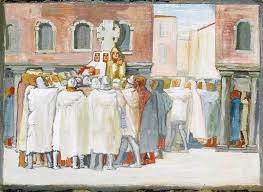
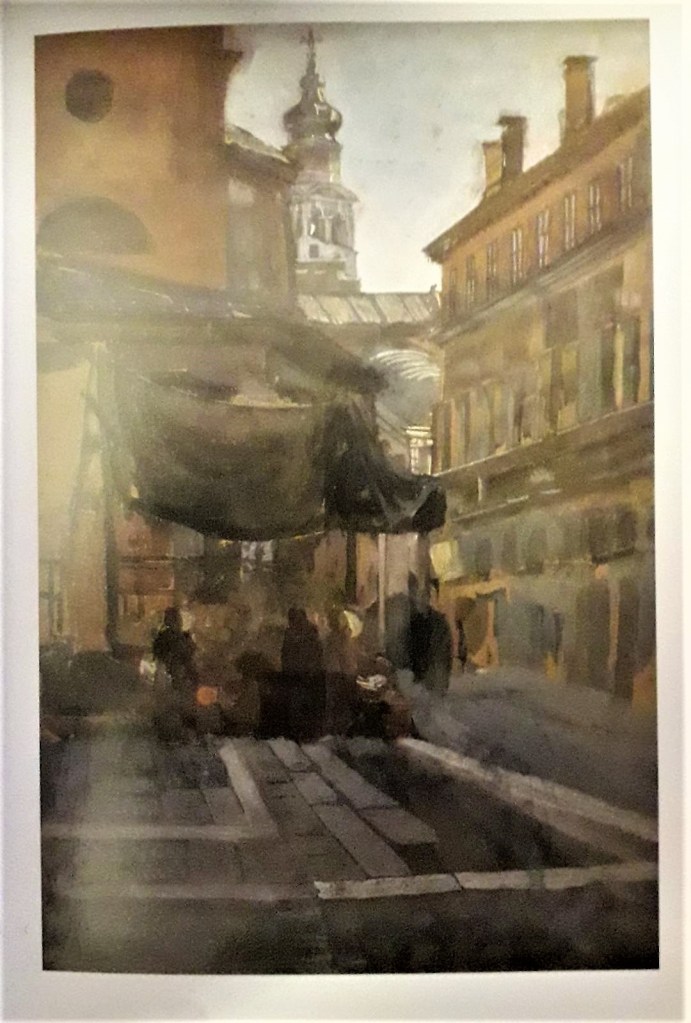
Pankhurst studied at the Manchester School of Art and, in 1902, was awarded the Proctor Travelling Studentship residing in Venice for most of the scholarship. Pankhurst was the only woman in the life class at the Venice Accaddemia.  Out on the streets of Venice she made studies and paintings of people in everyday life.  Her studies in Venice were cut short when her mother became ill.

Street scene in Venice, watercolour

She returned to Manchester in 1903 where her mother and Cristobel founded the Women’s Social & Political Union. The Independent Labour Party had dedicated the Pankhurst Hall in Manchester to the memory of her father, the social club there being for men only. This was the spark that fuelled her desire to combat the lack of gender equality in the art profession with few art scholarships available to women. In this cause she enlisted the help of Keir Hardie, then leader of the Labour party, with whom she had begun a serious intellectual and intimate relationship.

Portrait of Keir Hardie

Pankhurst became the official artist and designer for the Women’s Social & Political Union – the movement started by her mother – designing badges, banners, and flyers. Her symbolic ‘angel of freedom’ was essential to the campaign alongside the WSPU colours of white, green and purple.

Angel of Freedom Women’s Social & Political Union Members Card

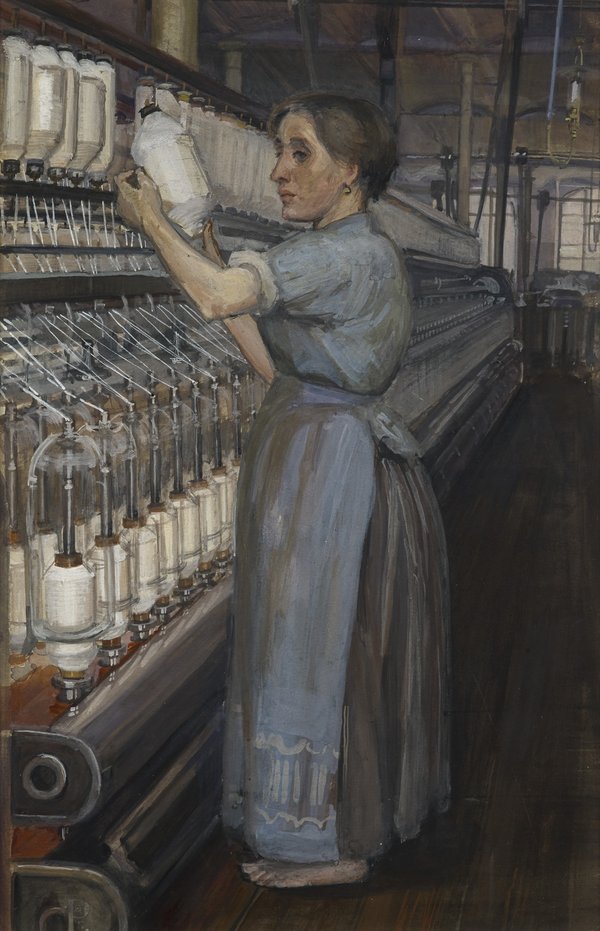
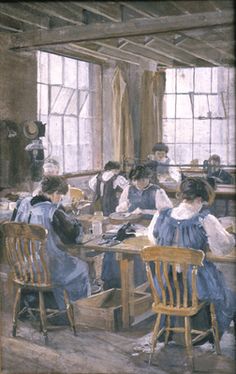
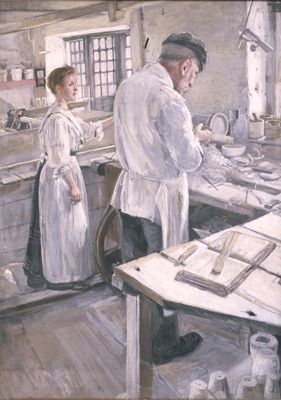
In 1907, travelling across Britain, she made realistic paintings for the Working Women In Britain project displaying the monotonous work done by women in mills and factories. In Glasgow she wrote about “the almost deafening noise of the machinery and the oppressive heat, the mill was “so hot and airless that I fainted within an hour”.

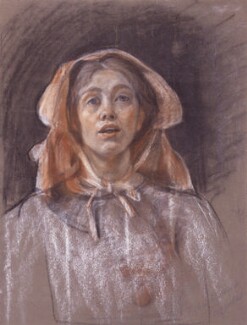
The Britain Women at Work Project. Glasgow Spinning Mill. Staffordshire Potteries. Portrait of a young woman.

She was imprisoned in 1913 and was subjected to force feeding. She made sketches that were distributed to the press on her release exposing her harsh treatment in jail.

Once the war started, struggling to balance her artistic and political work, she gave up art to devote herself to the East London Federation of Suffragettes – the organisation she founded to ensure that working-class women were represented and to pursue “a better world for humanity”.  

 During a lull in Suffragette activity Pankhurst visited Oberammergau, Southern Germany, a town renowned for its production of the Passion Play. It’s most likely that the pictures above represent scenes from the Passion Play, referencing Pankhurst’s watercolours and pencil studies of the various actors in the play.

Sylvia became estranged from her mother Emmeline and sister Christabel in January 1914 after their organisation, the Women’s Social and Political Union (WSPU), disapproved of her emphasis on building a campaign that centrally involved working class women, telling her that the new East London Federation of the WSPU must become a separate organisation.

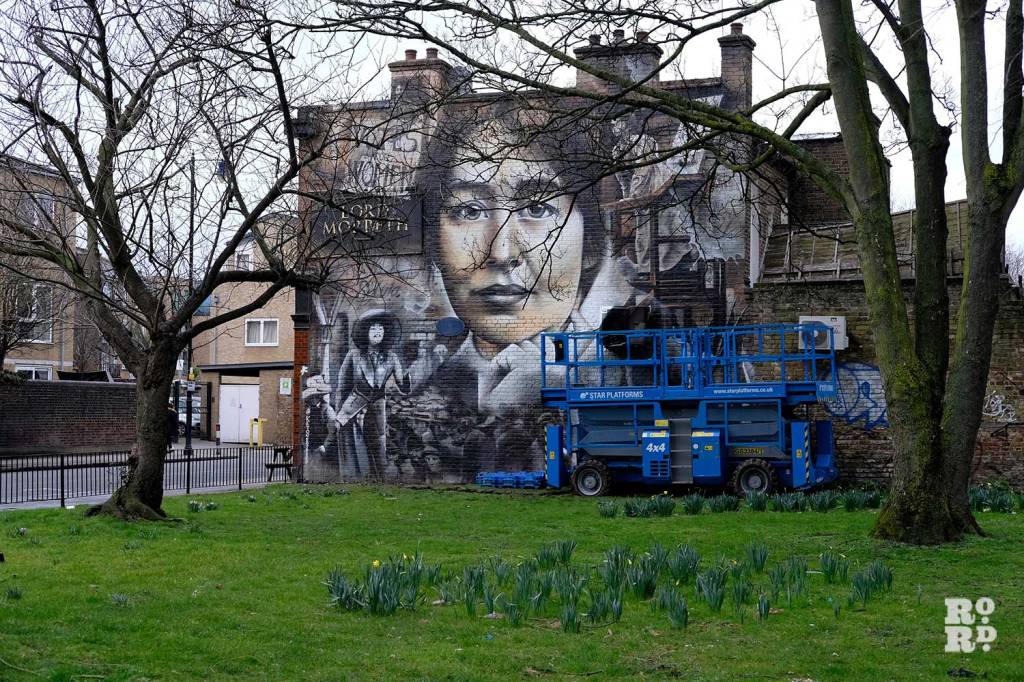
Sylvia Pankhurst memorial mural in Bow East End of London

Towards the end of the war she began a thirty-year relationship with Italian printer and anarchist Silvio Corio. She gave birth to her first child, Richard, at the age of forty-five, refusing to marry. Her mother never spoke to her again after discovering she had given birth to a child out of wedlock.

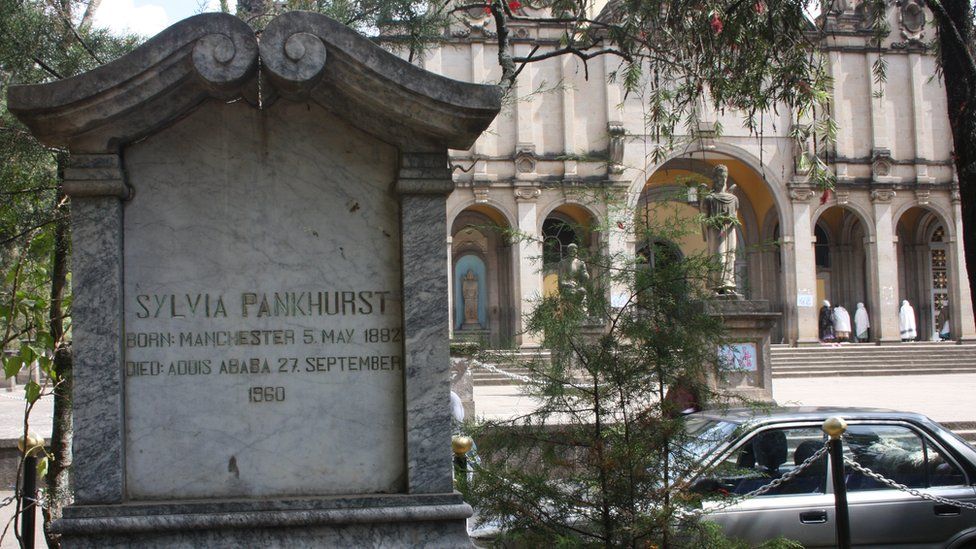
She became heavily involved in the campaign supporting Ethiopia against the encroachment of fascist Italy in 1935. She permanently moved to Addis Ababa aged seventy-four and died there in 1960.

Pankhurst received a state funeral in Ethiopia at which Haile Selassie named her an “honorary Ethiopian”. She was buried in front of Addis Ababa’s Trinity Cathedral – the only non-Ethiopian among the graves of famous Ethiopian patriots of the Italian war.

Graham Bennison, February 2021 | facebook.com/BennisonArtist
Barbara Robertson

Barbara Robertson

Printmaker, illustrator and teacher Barbara Robertson was born in Broughty Ferry, Angus, 16th August 1945.
She attended Blairgowrie High School, then studied at Duncan of Jordanstone College of Art, Dundee, 1965–71, her teachers included Józef Sekalski http://gerberfineart.co.uk/2014/josef-sekalski/ . She was awarded a Major Scottish Education Department Travelling Scholarship. Robertson went on to teach printmaking at Duncan of Jordanstone, then worked full-time mainly on lino-cuts.
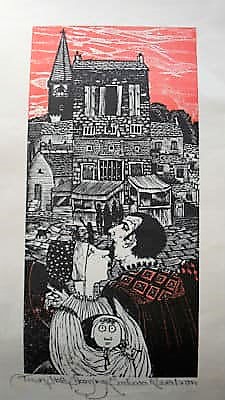
An early work: ‘St Andrews’ – displayed in Duncan of Jordanstone College Collection.

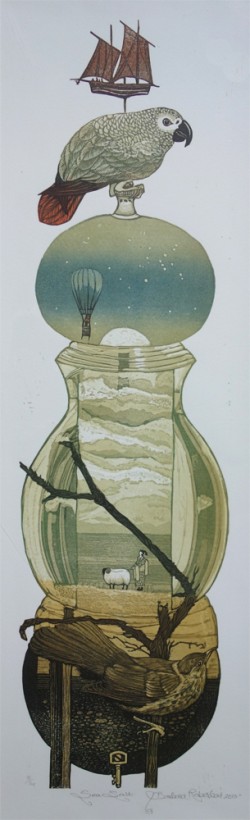
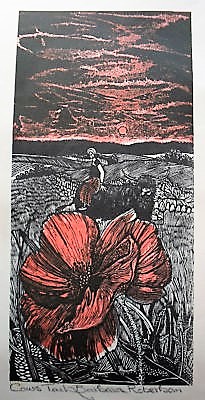
Robertson was a superb printmaker, sensitive, observant, full of humour and wonderfully skilled, creating technically sophisticated, complex lino-cuts. She had a marvellous visual imagination and a mischievous wit, beautifully expressed in her exceptional prints. Cats, hens, sheep and other animals make regular appearances in her work; she also portrayed the landscape of the Angus countryside.

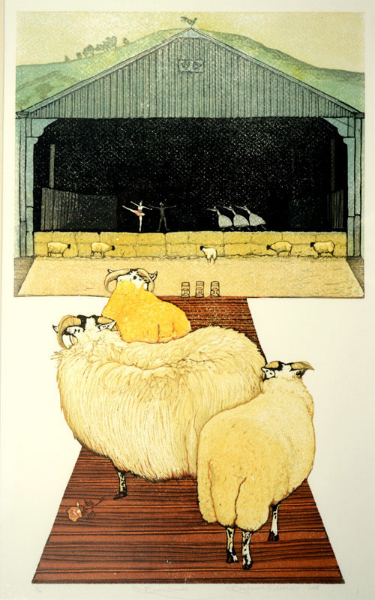
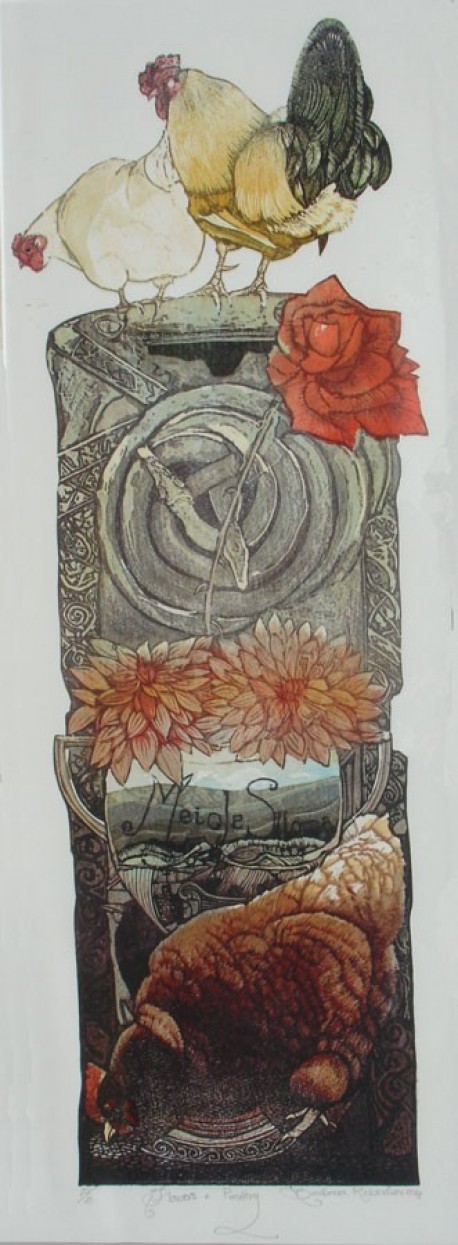
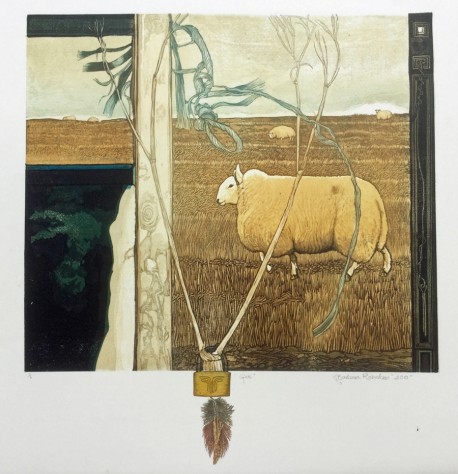
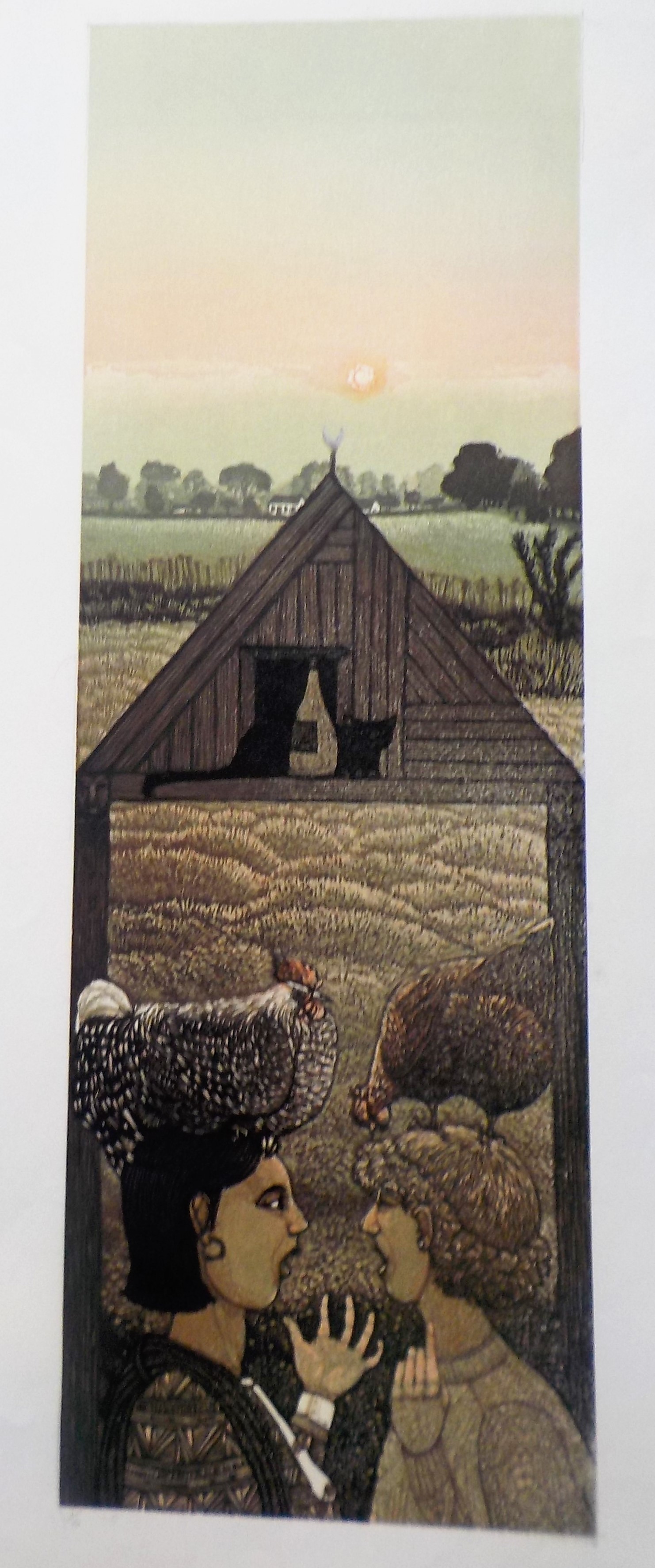
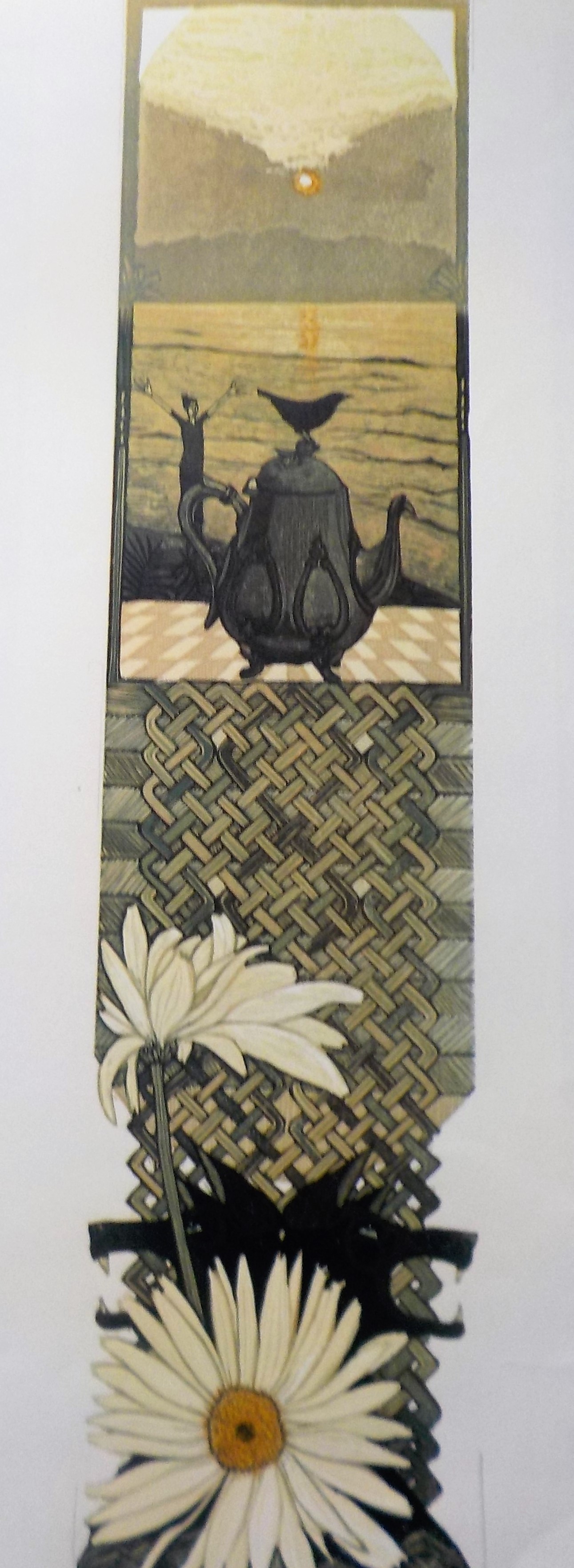
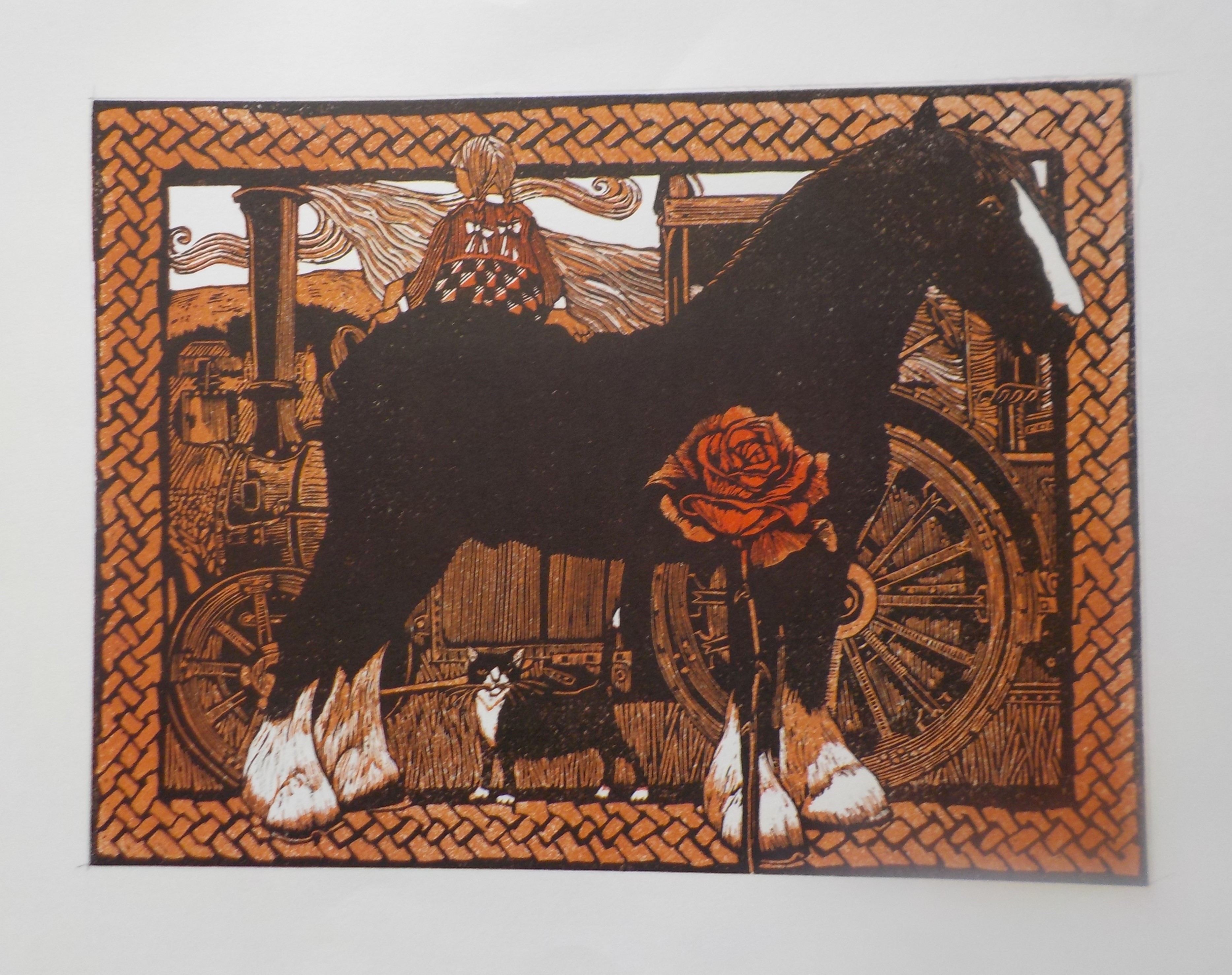
Lino-cuts: ‘Barn Dance’ ‘Flowers & Poultry’ ‘The Gate’. ‘Sea Salt’.

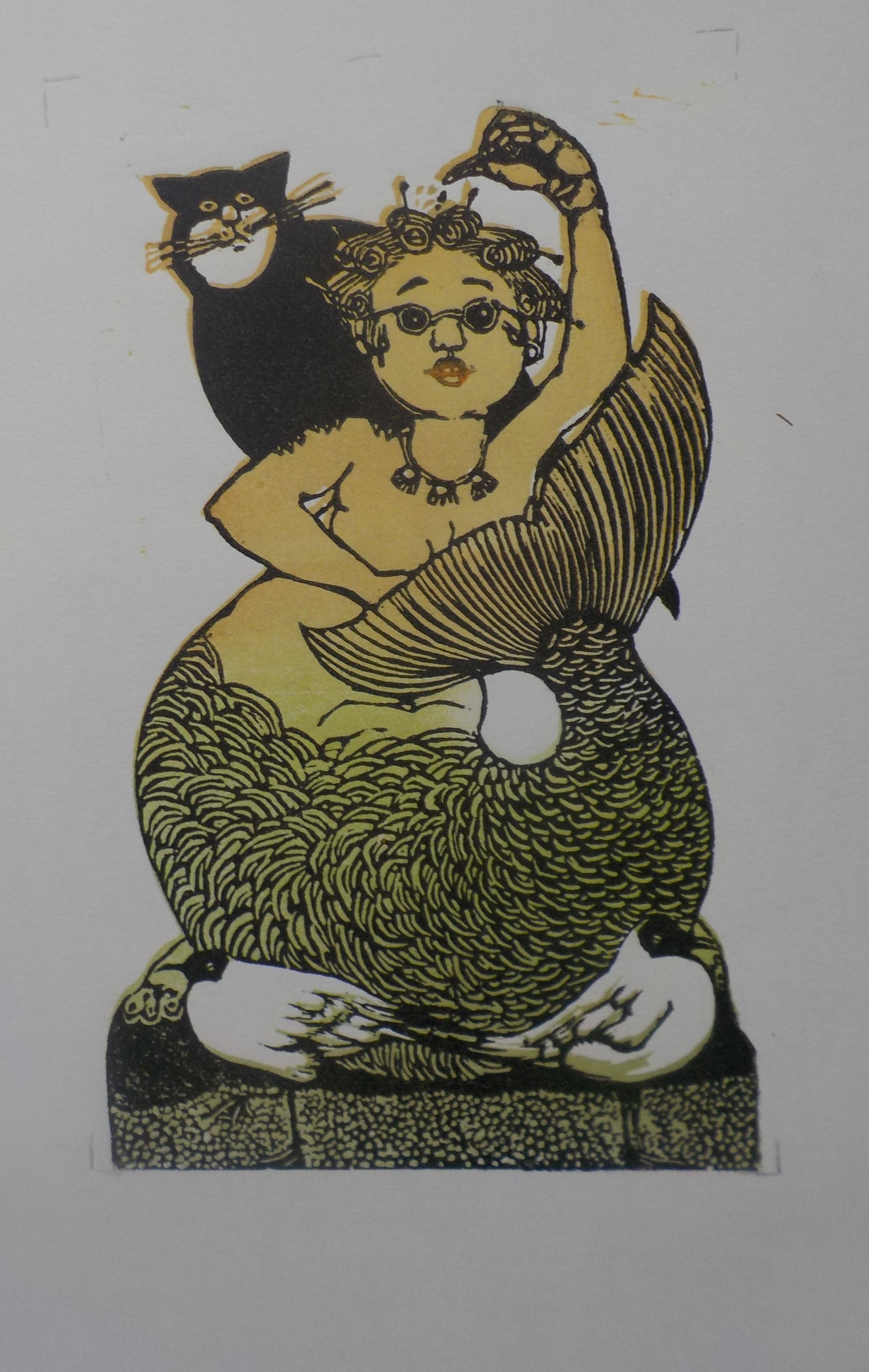
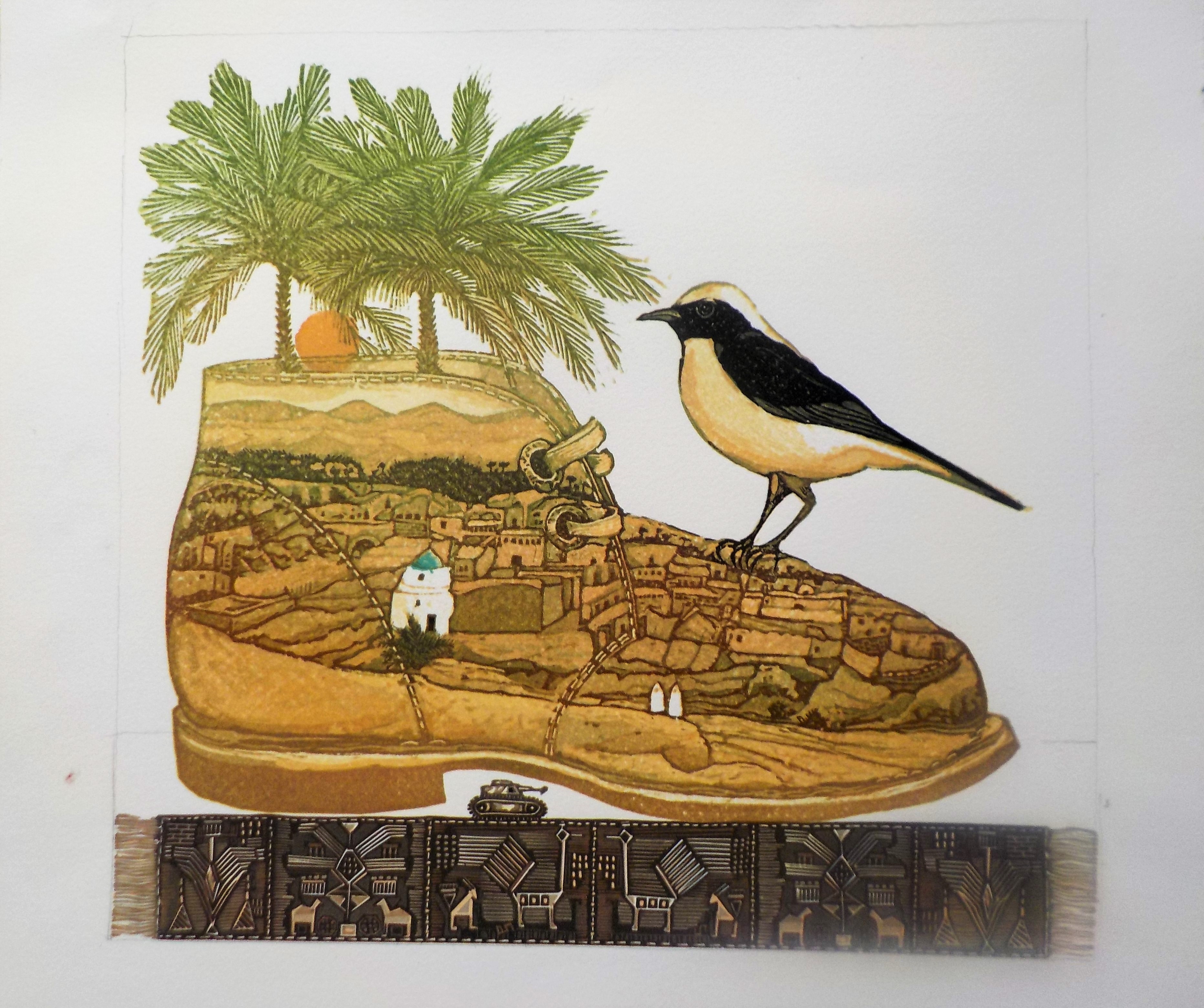
Her domestically orientated lino-cuts – cats, sheep, geese, rabbits, even an occasional human being, were all more or less integral parts of the country cottage in Douglastown near Forfar where she lived and did her printing on her huge cast iron printing press. Superbly drawn and detailed linocuts reflected her passion for the surrounding Angus landscape and the natural world she loved. She also drew inspiration from her numerous travels to Italy, Egypt and Africa. Almost invariably her prints have that additional, and all too scarce quality in most other work, a good helping of her own particular brand of humour.

The lino-cut technique involves the cutting away of the original design drawn on the lino and inking the relief block that is left before bringing together with the paper in a huge hand operated press. This whole process has to be repeated for every colour, the re-cutting of the lino design preventing the over printing of previous colours. Thus the building of the design is achieved the very darkest colour being applied last and the relief of which is the only remaining part visible on the now very much depleted surface of the original lino sheet.

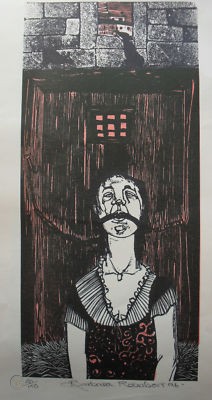
Three of the seven ‘Witches’ linocuts.

Robertson’s Witch Series of seven lino-cut prints are on display in Forfar Library and feature in the Forfar Witches permanent exhibition at the Meffan Gallery, Forfar. In the Witch Series, her use of linocut and minimal colour echoes the wood cut prints of the time and those illustrating Daemonologie. The seven prints feature the Forfar Witches trials in the 17th century. Each print was printed in an edition of 150.

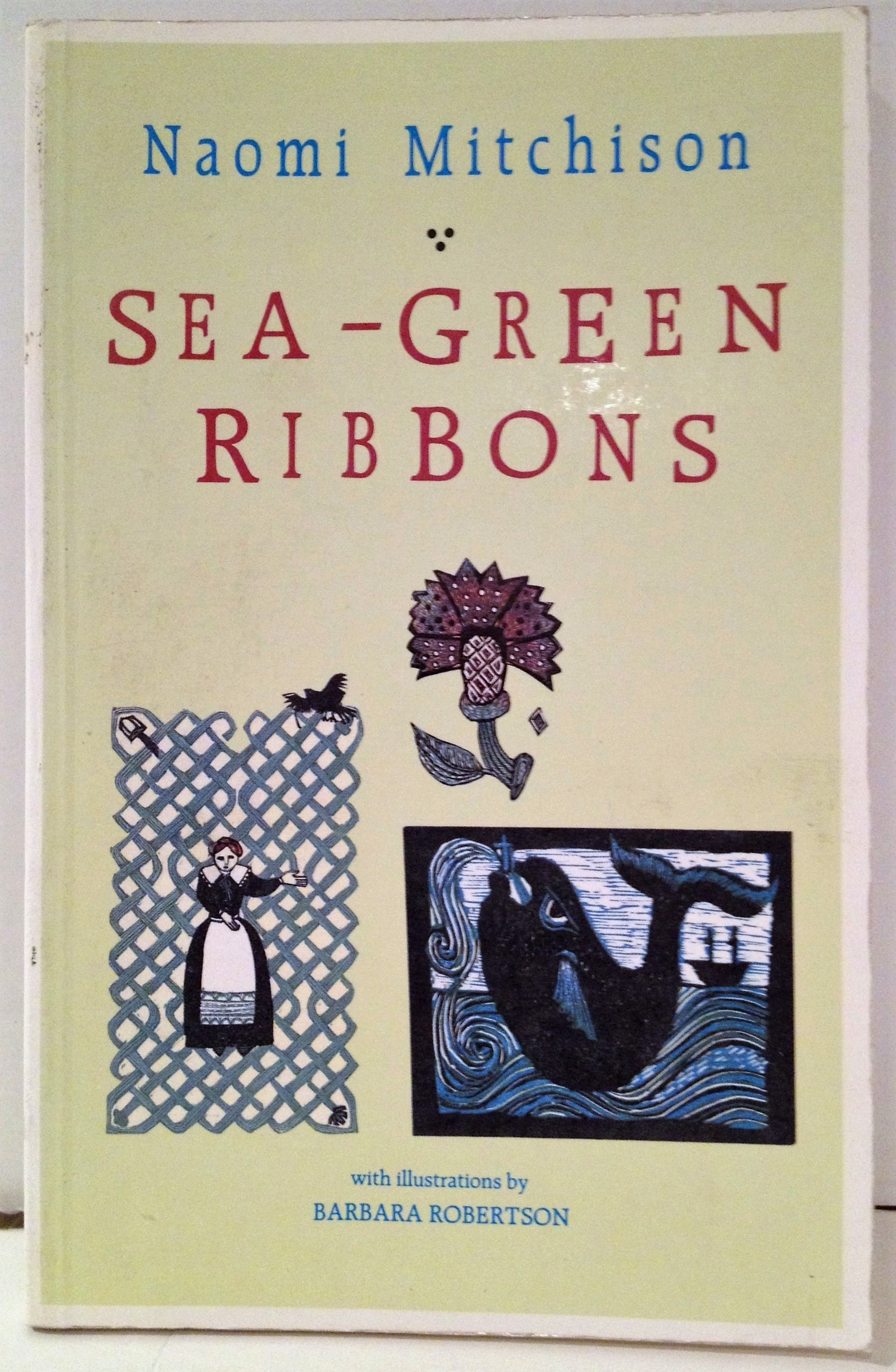
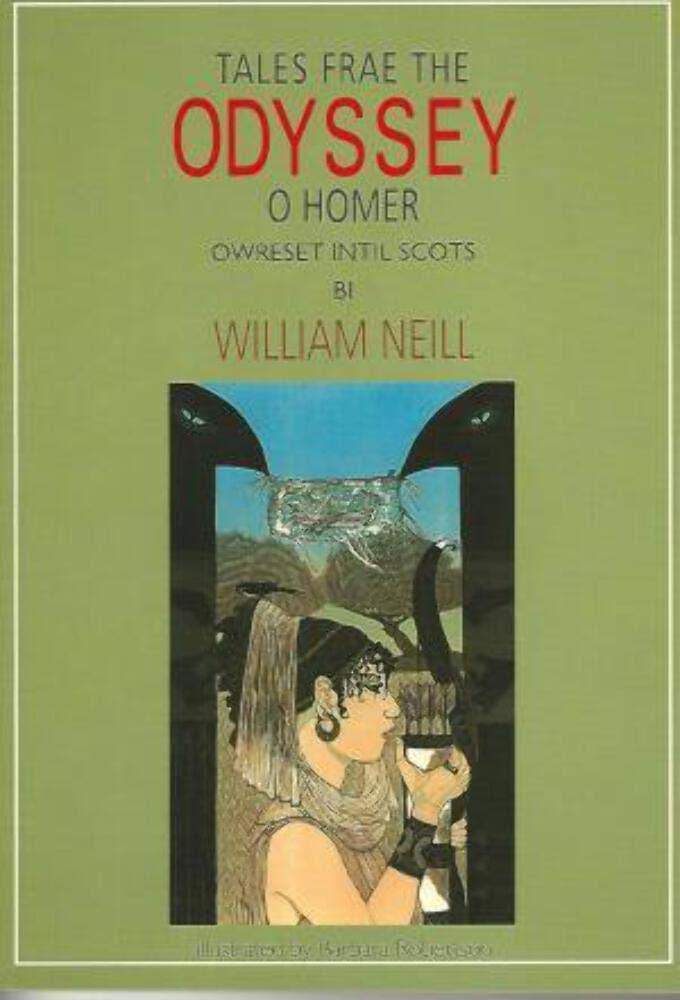
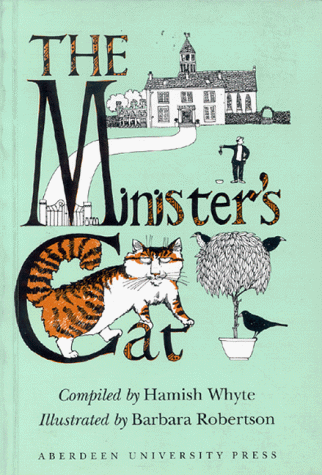
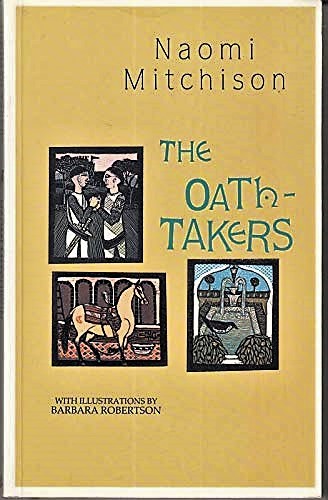
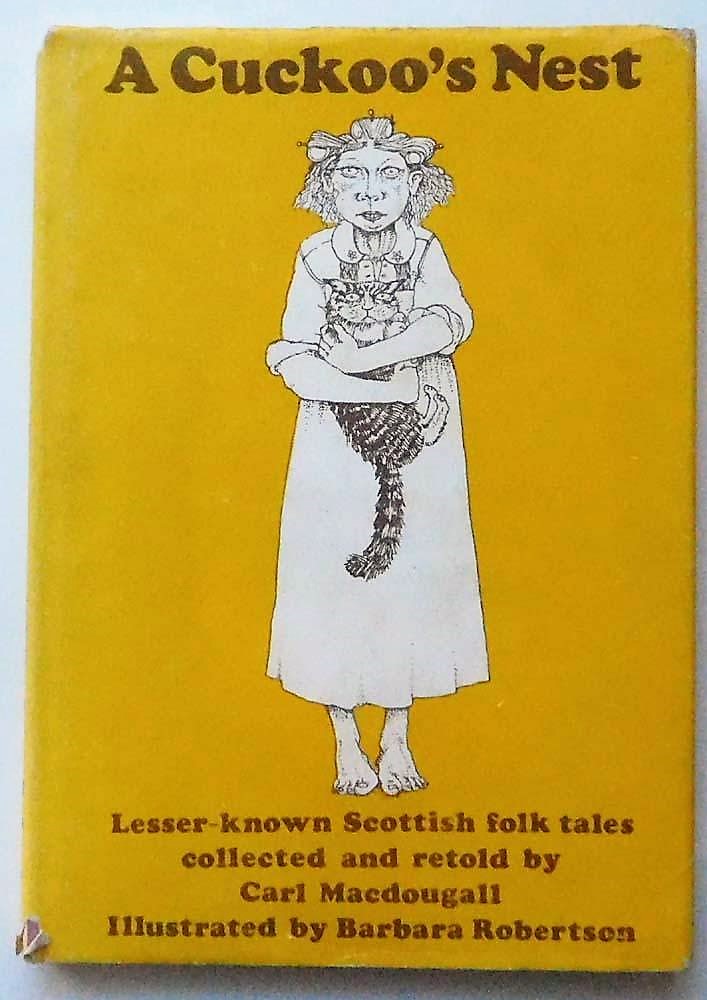
Robertson was also a gifted book illustrator, her works include :-

Robertson’s work has been exhibited in France and Germany and in the Printmakers Workshop (Edinburgh), and the Compass Gallery (Glasgow). Her Prints have been exhibited in the Royal Scottish Academy since 1973.

Robertson died peacefully, at her home, in Douglastown, near Forfar, on Tuesday, July 31, 2018.

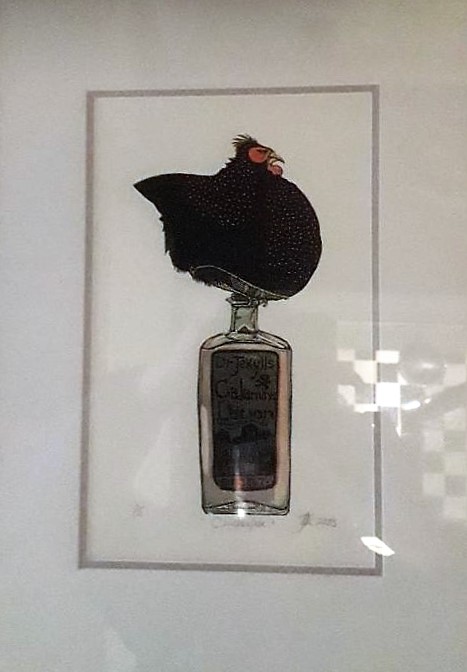
Friends Carrie and Simon give this BR pride of place in their kitchen.

Barbara Robertson: Work For Sale.

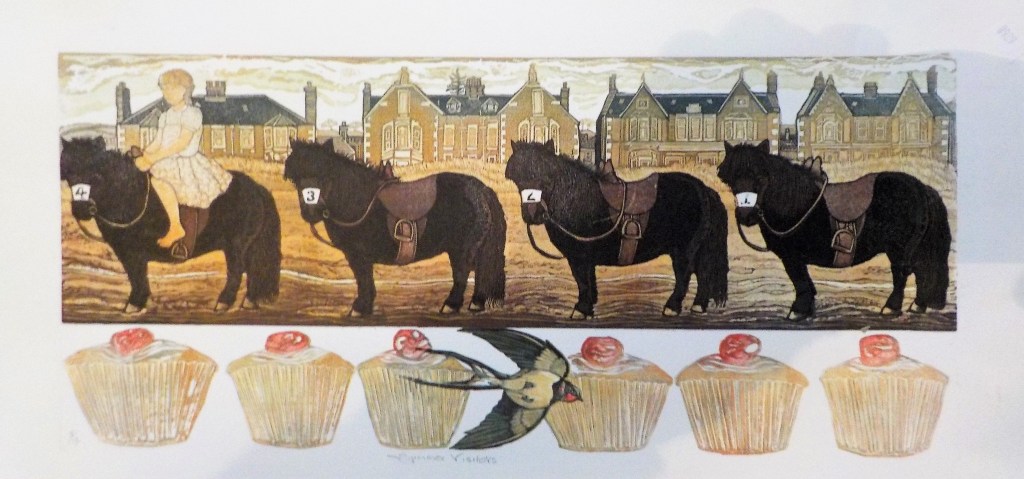
SOLD ‘Summer Visitors’. 4/10 17.75 x 8 ins. £60. a superb piece of art !

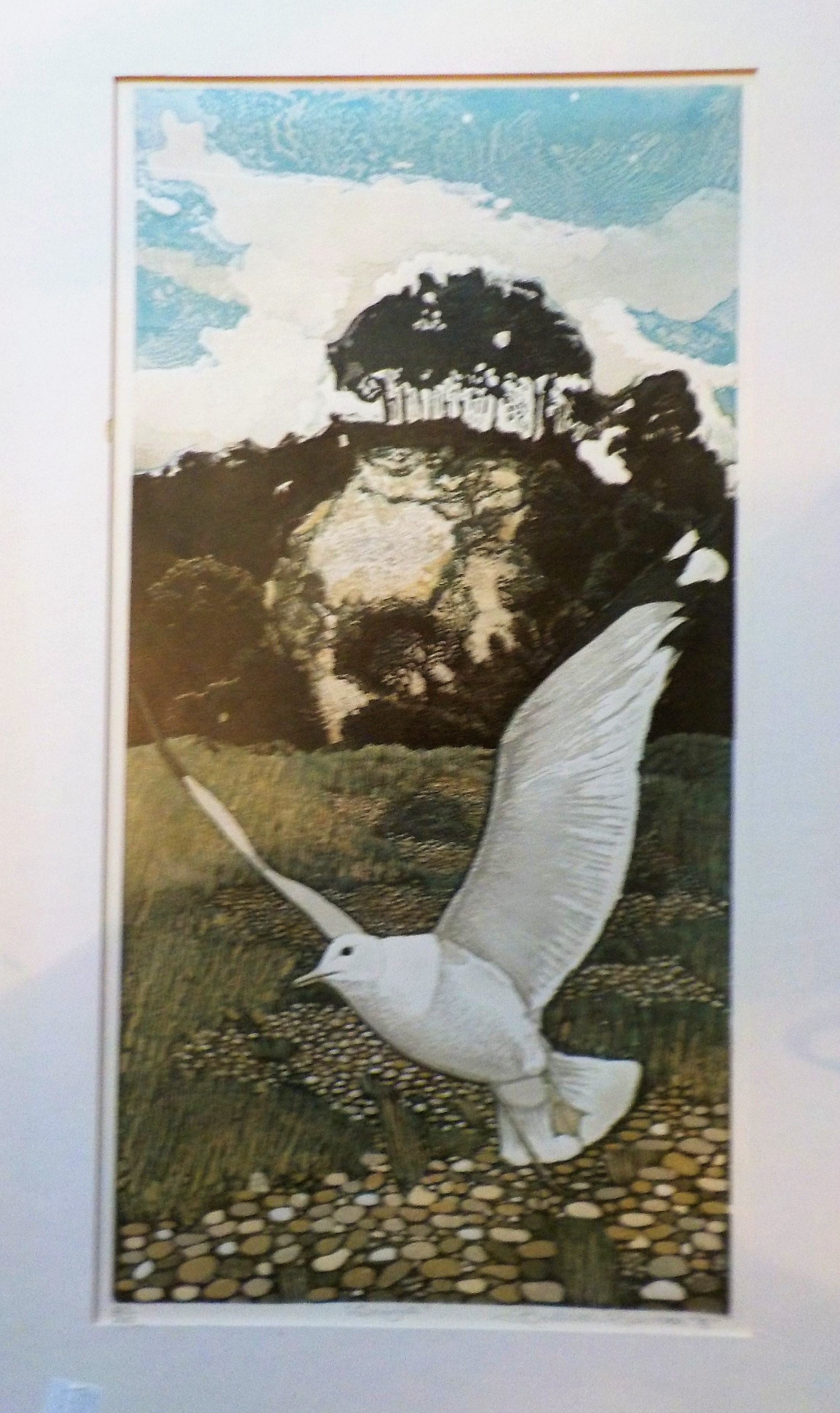
Bus Stop, Tunisia. 4/10 signed. SOLD Image 6.5 x 5 ins. In Mount. £35. Walking to Mesopotamia Two available – 6/16 and 16/16 unsigned. 16.5 x 6 ins. £45 each/unsigned one £35. Seagull 29/30 signed. 16 x 8 ins. £45.

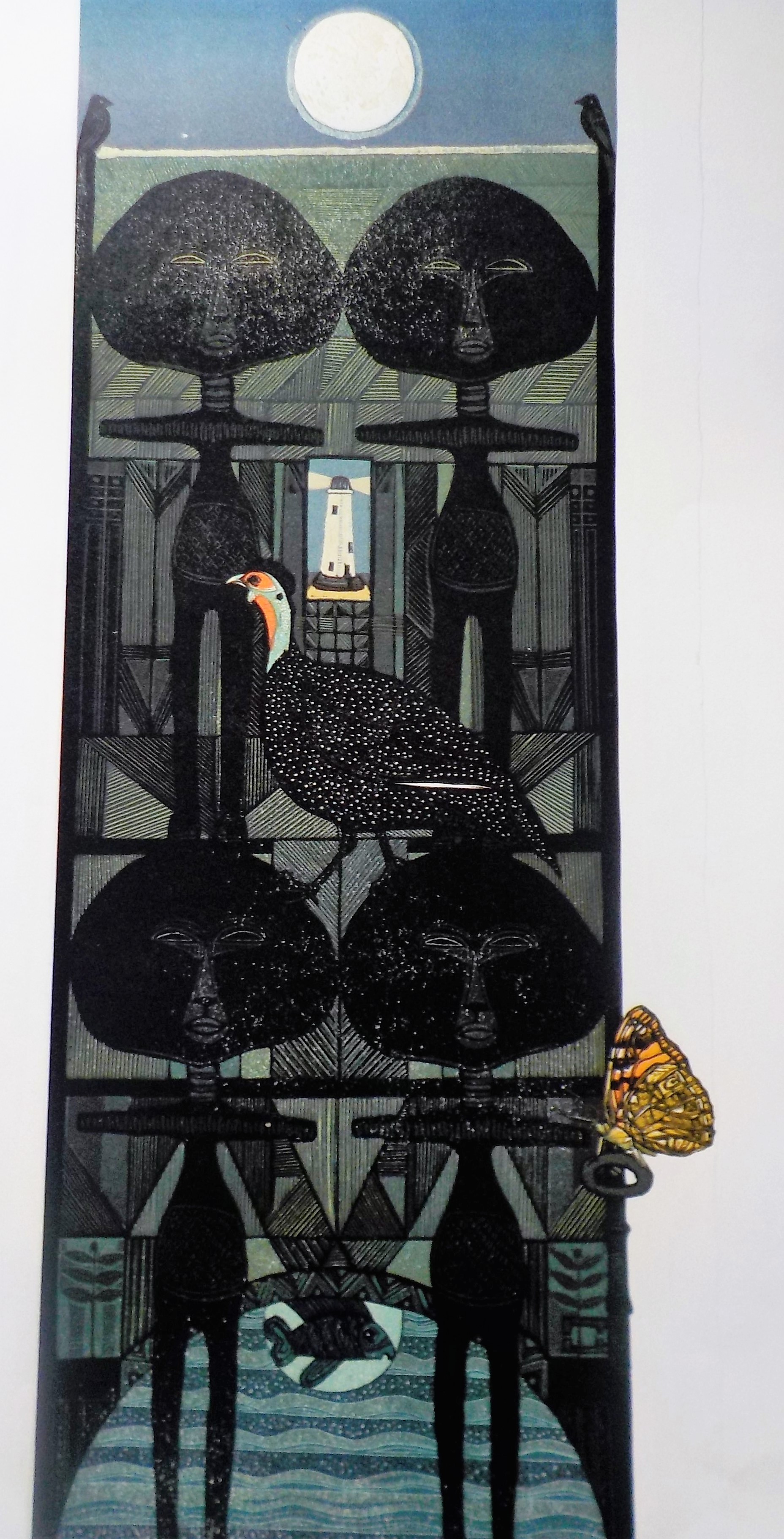
Large works: Summering 8/18 signed. SOLD 15 x 8.25 ins. £50, Over the Moon, signed, two available. 2/18, 3/18. 24 x 13 ins. £50,

Printed on a rag paper. FRAMED. Sheep signed. Image 6.5 x 8.5. £45. Rosie’s’ Sheep signed. 17.5 x 11.5 ins. £35.

Lino-cuts not signed. The first one is numbered 1/16 and IS SOLD. Second one African Lady SOLD. Third pig one SOLD. Sizes range from 8.5 ins x 6 ins to the final lino-cut which is a massive 26 x 20 ins. Hens in boat also SOLD. Prices range from £25 to £50. If interested please contact for more information re each print. Graham Bennison bennyelmwood@yahoo.co.uk

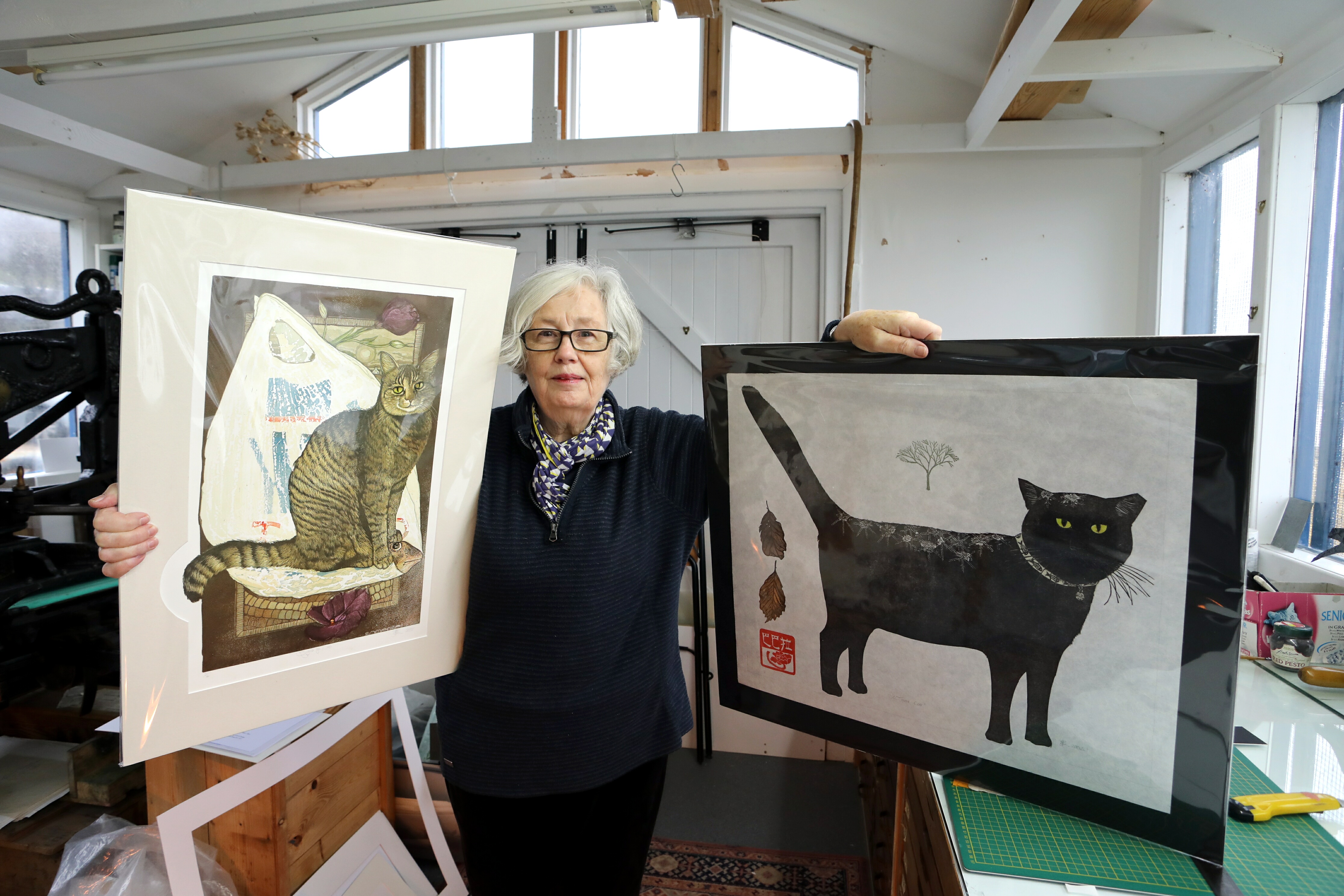
Two large lino-cuts.

Graham Bennison. https://www.facebook.com/BennisonArtist