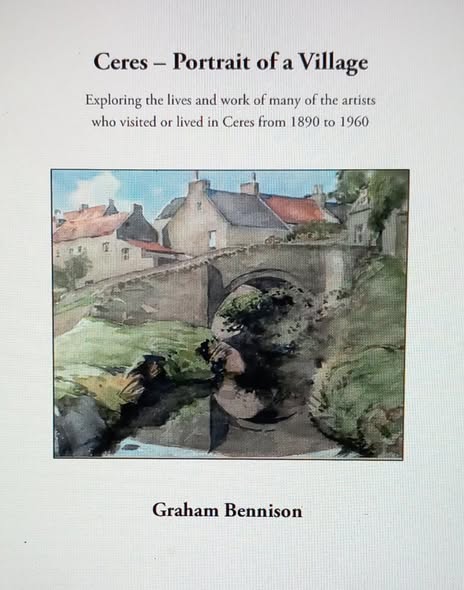
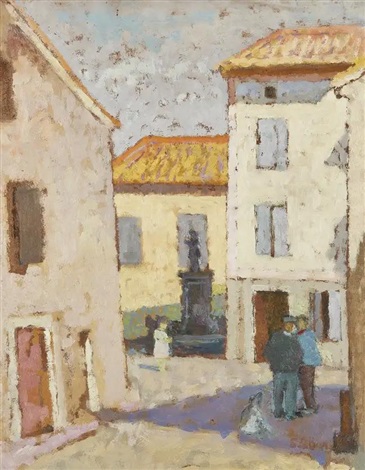
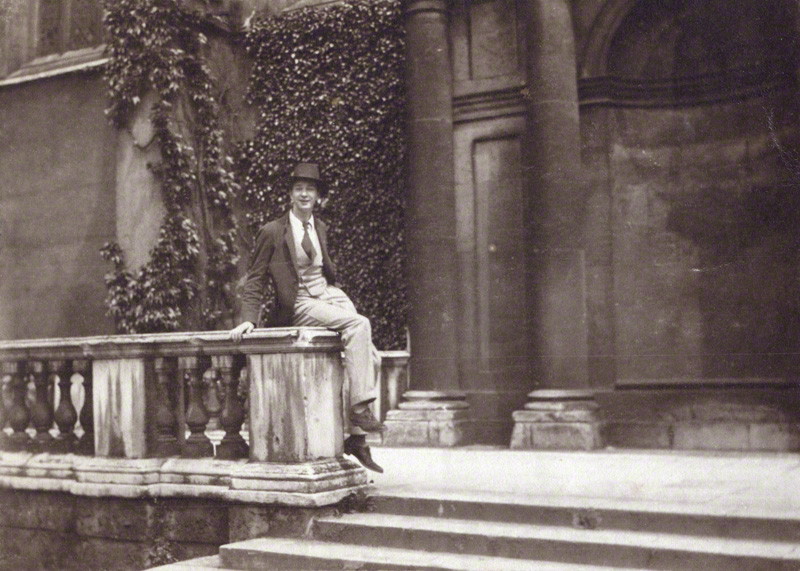
Only just published in April I’m pleased to report that 115 copies of this book were sold within the first two weeks. A reprint was required in May !
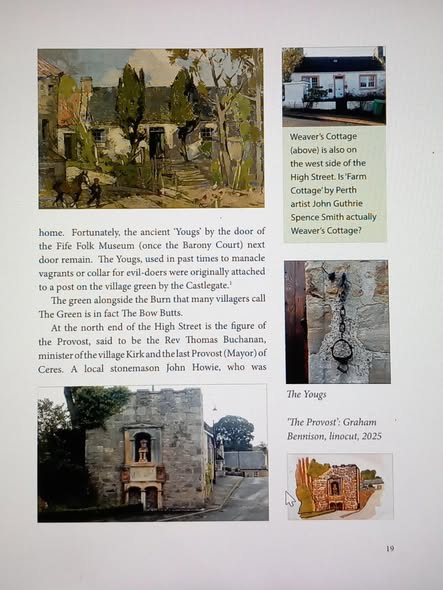
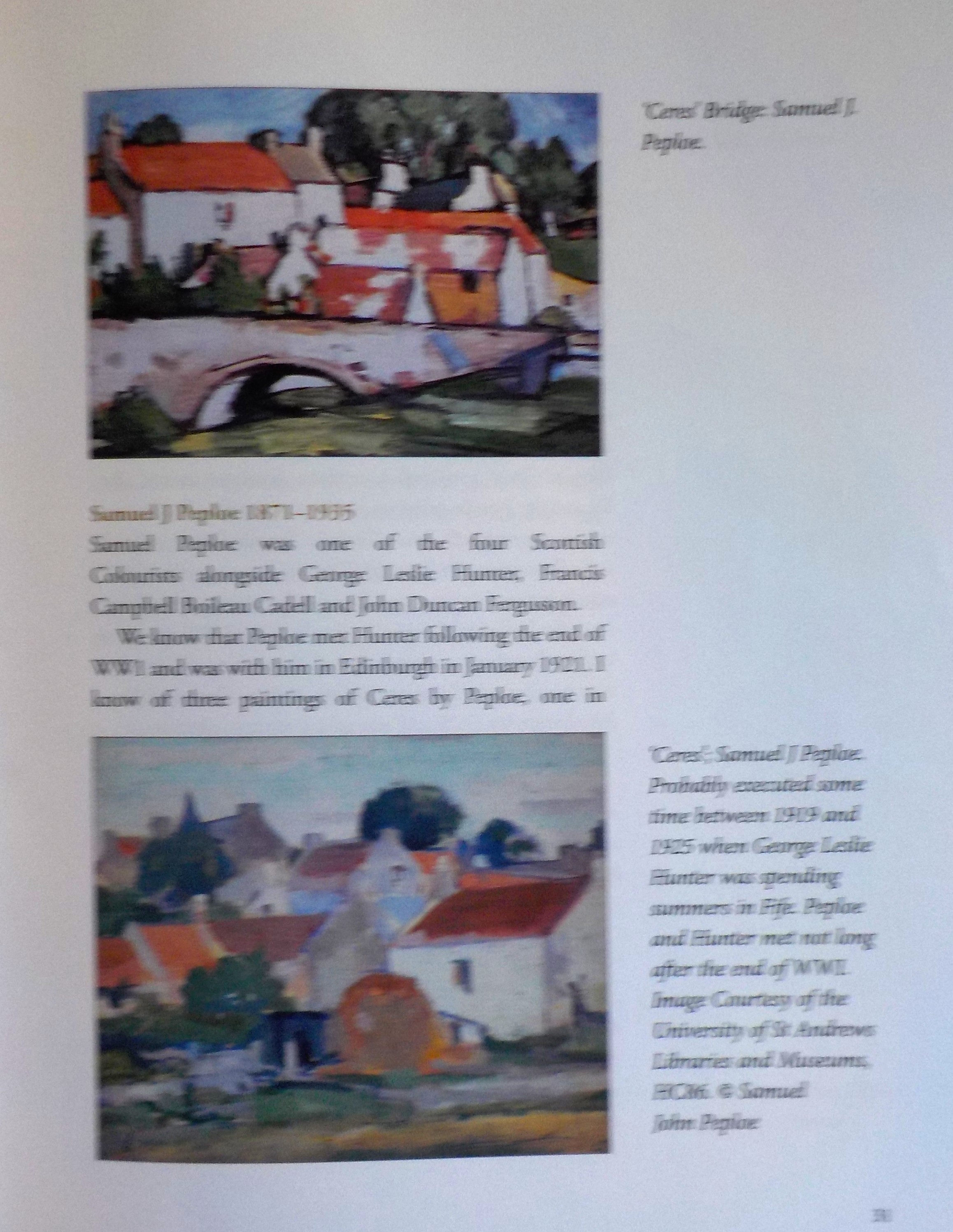
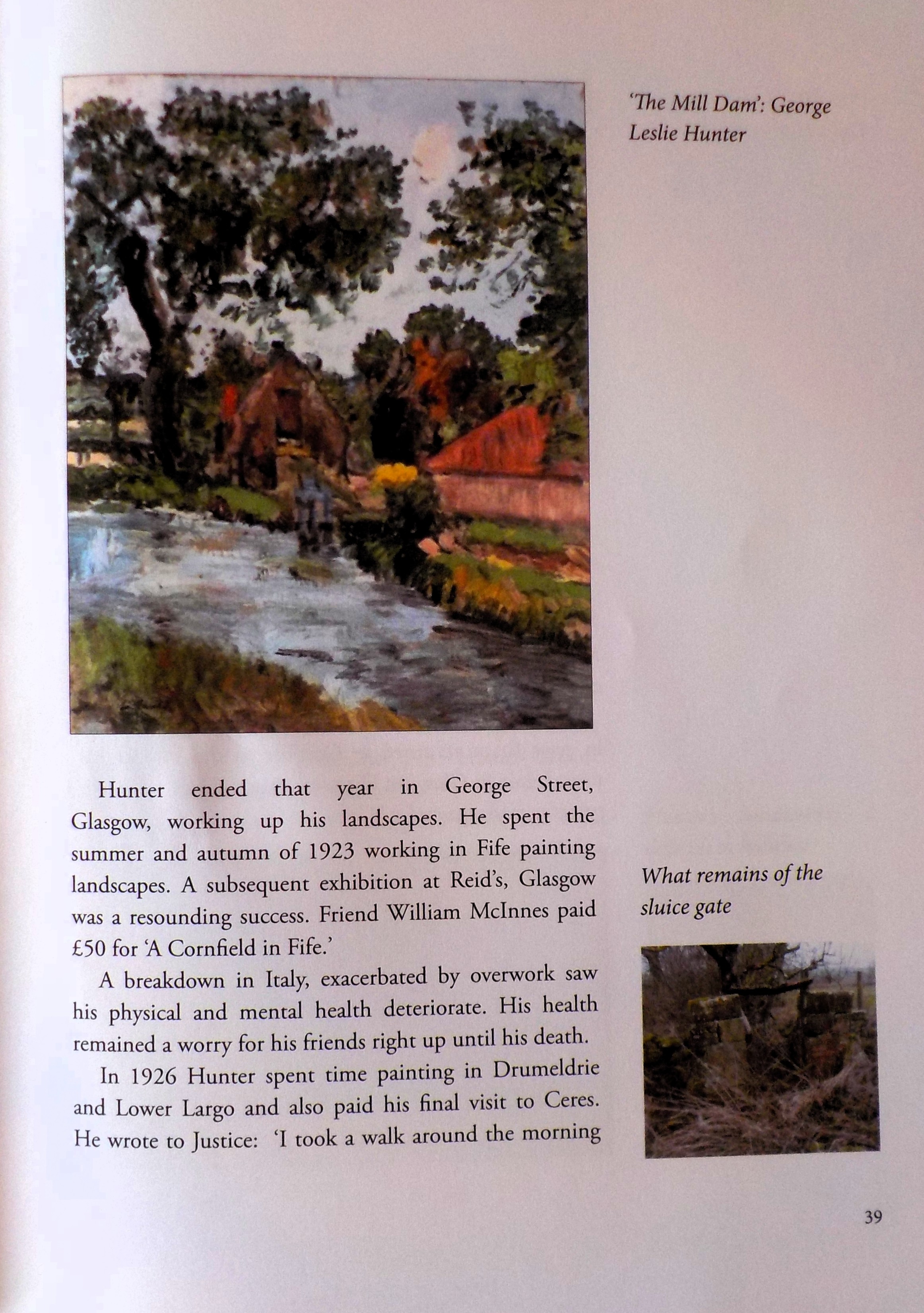
Examples of three pages above.
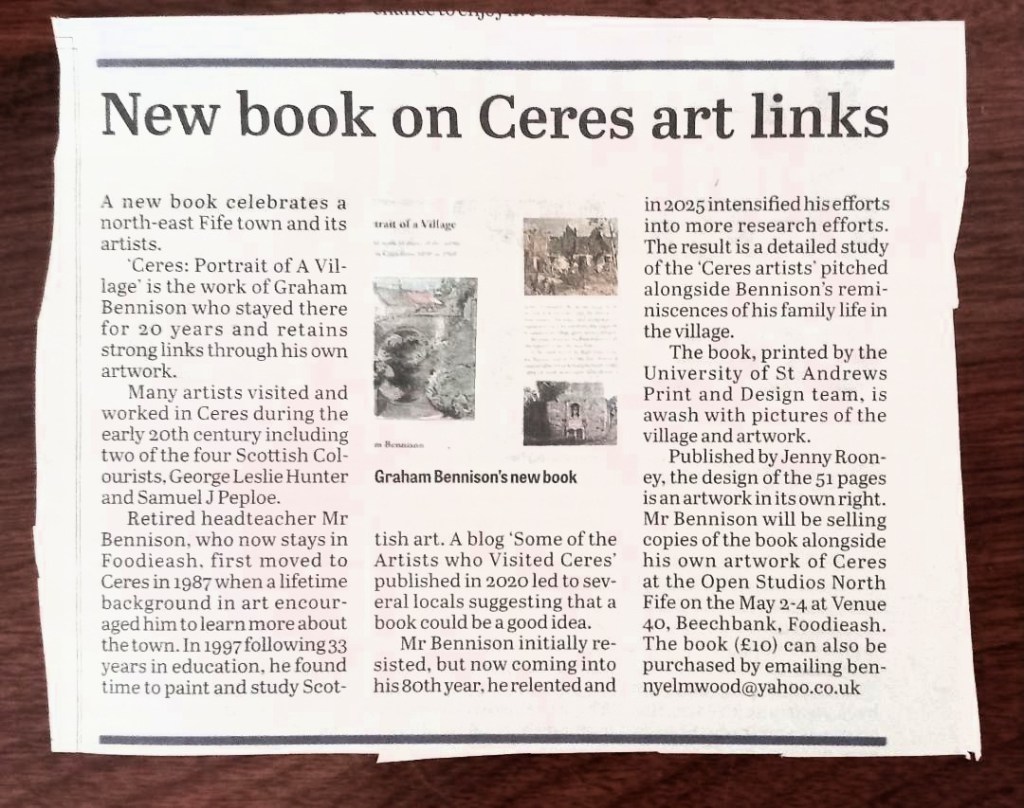
Review in Fife Today, 13th April 2026.
Retired headteacher’s new book celebrates Fife town and its strong artistic links. The new book celebrates a north-east Fife village and its artists.
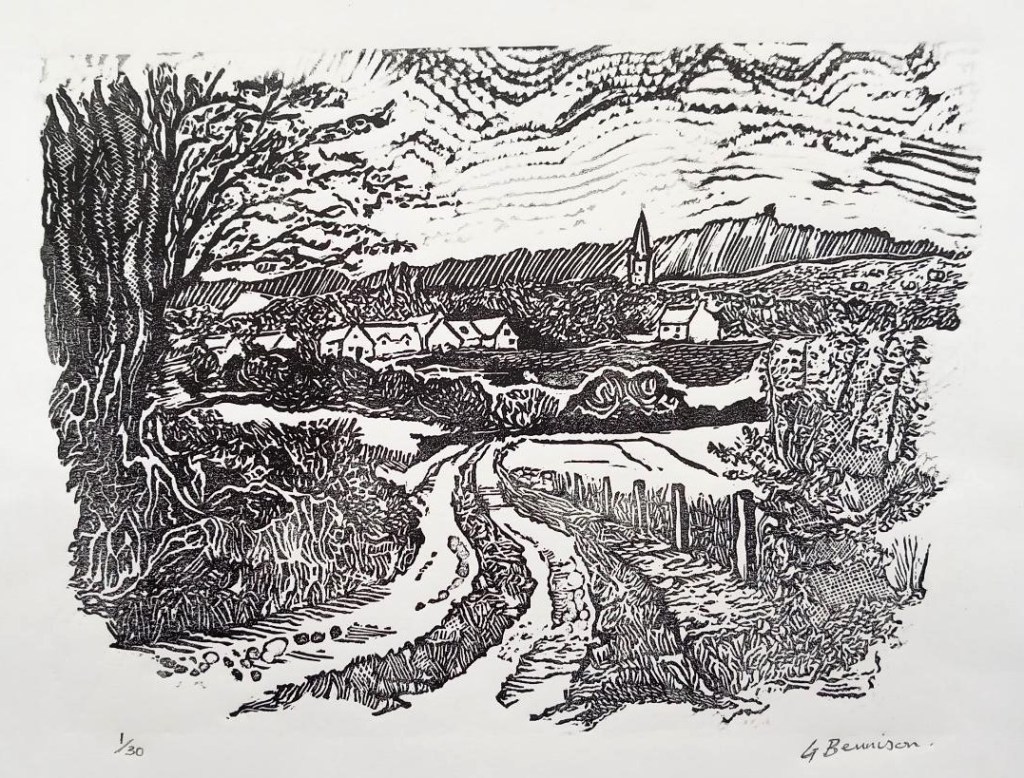
‘Ceres: Portrait of A Village’ is the work of Graham Bennison who stayed there for 20 years and retains strong links through his own artwork.
Many artists visited and worked in Ceres during the early 20th century including two of the four Scottish Colourists, George Leslie Hunter and Samuel J Peploe.
Retired headteacher Mr Bennison, who now stays in Foodieash, first moved to Ceres in 1987 when a lifetime background in art encouraged him to learn more about the village. In 1997 following 33 years in education, he found time to paint and study Scottish art. A blog ‘Some of the Artists who Visited Ceres’ published in 2020 led to several locals suggesting that a book could be a good idea.
Mr Bennison initially resisted, but now coming into his 80th year, he relented and in 2025 intensified his efforts into more research efforts. The result is a detailed study of the ‘Ceres artists’ pitched alongside Bennison’s reminiscences of his family life in the village. The book, printed by the University of St Andrews Print and Design team, is awash with pictures of the village and artwork.
Published by Jenny Rooney, the design of the 51 pages is an artwork in its own right. Rooney resides in Great Bardfield, Essex: a village that was an art haven and the home of Edward Bawden, Eric Ravilious, John Aldridge and many eminent 20th century artists.
The book printed in a booklet format (£12) can be purchased by emailing bennyelmwood@yahoo.co.uk Postage £3.60.
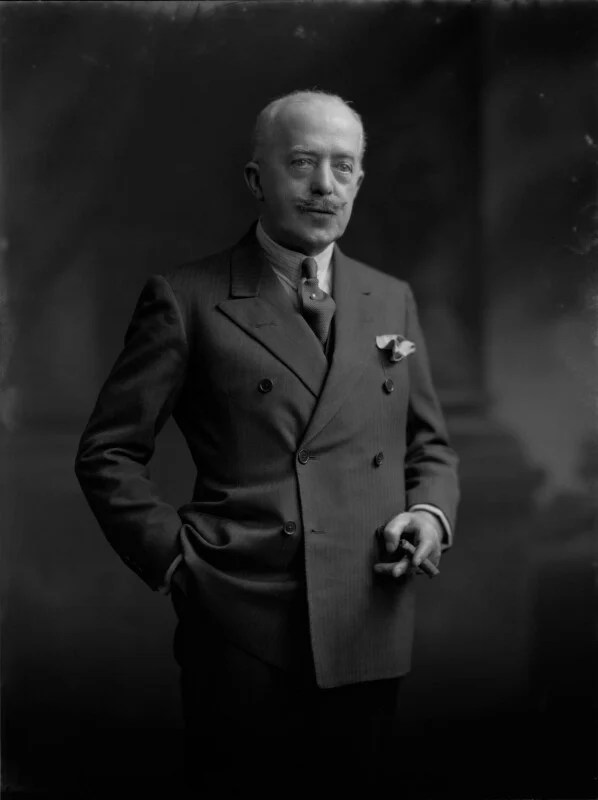
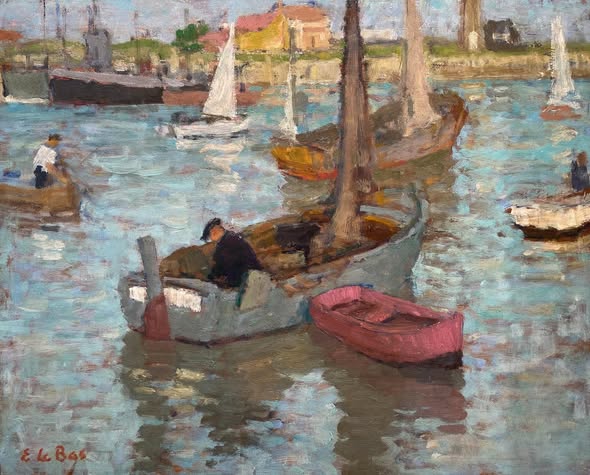
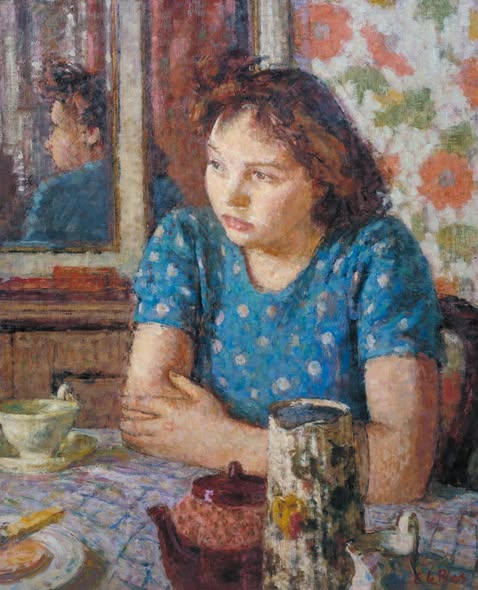
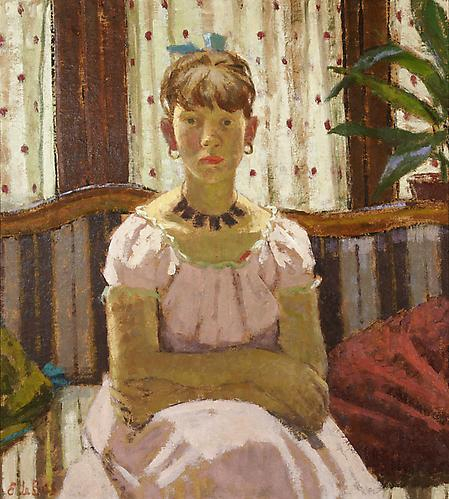
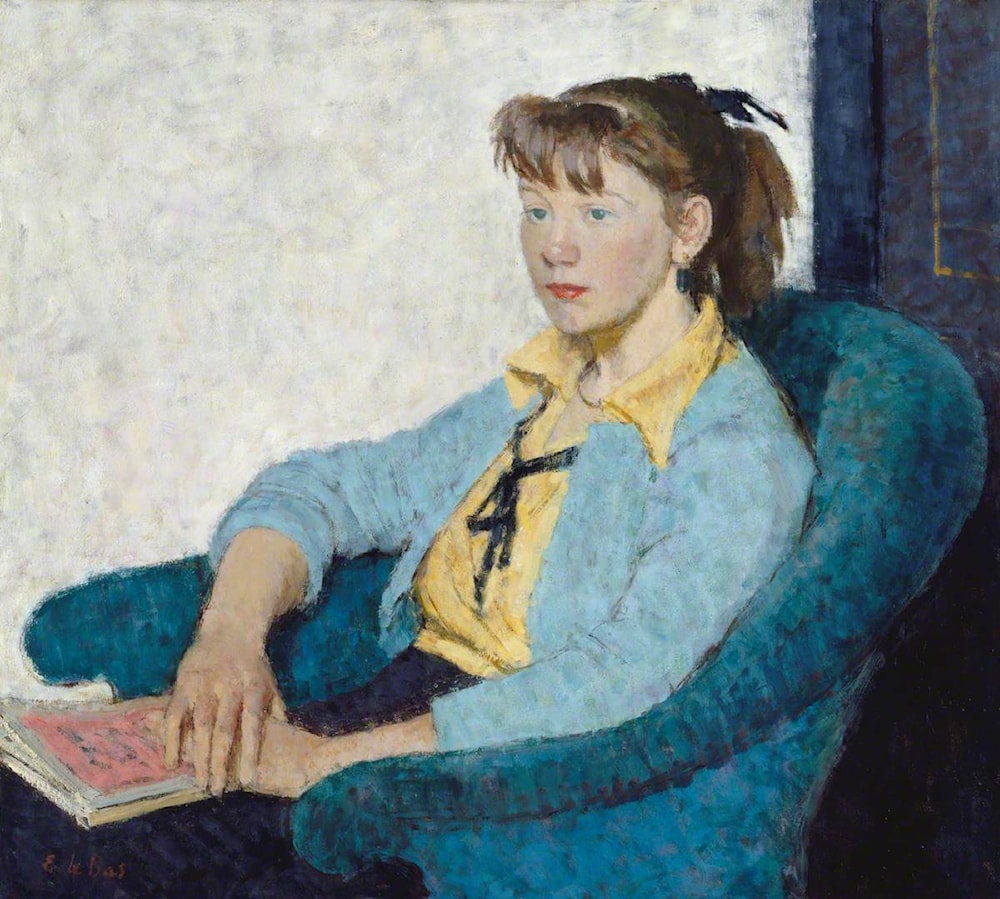
Edward Le Bas RA (1904–1966) was a British artist and art collector.
Le Bas was born in London of Anglo-French descent. He was the son of a wealthy steel magnate Edward Le Bas and Anna Le Grand, he was brother to the sculptor Molly Le Bas.
Le Bas was educated at Harrow where he became friends with Cecil Beaton later reading Architecture at Cambridge University. He studied for a short while in Paris inspired by two months spent with the painter Hermann Paul, a disciple of Cezanne at Meudon, Paris, before studying painting at the Royal College of Art under William Rothenstein in London from 1924. Le Bas was just one of a talented group at the RCA that included Henry Moore, John Piper, Barbara Hepworth, Edward Bawden and Eric Ravilious.
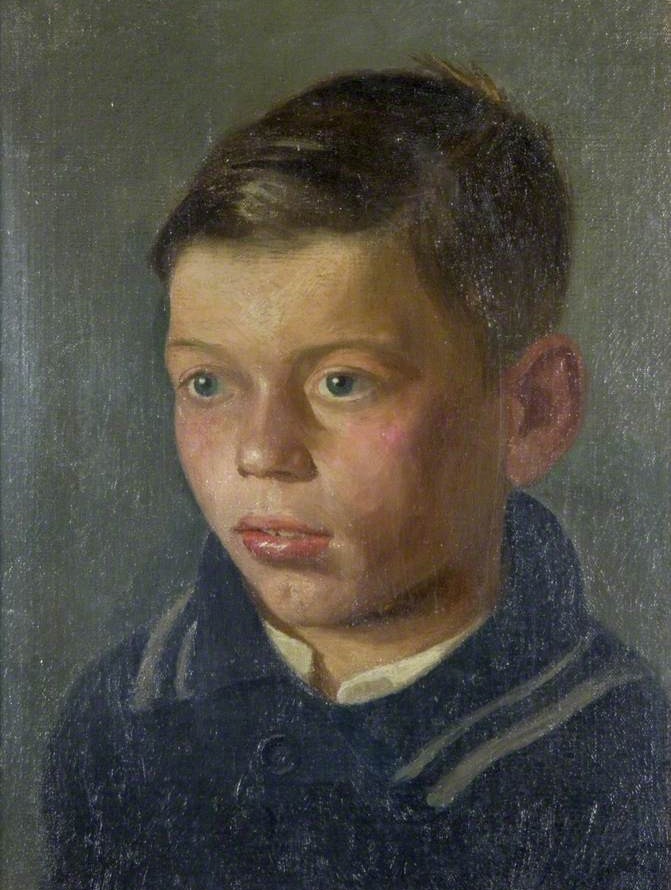
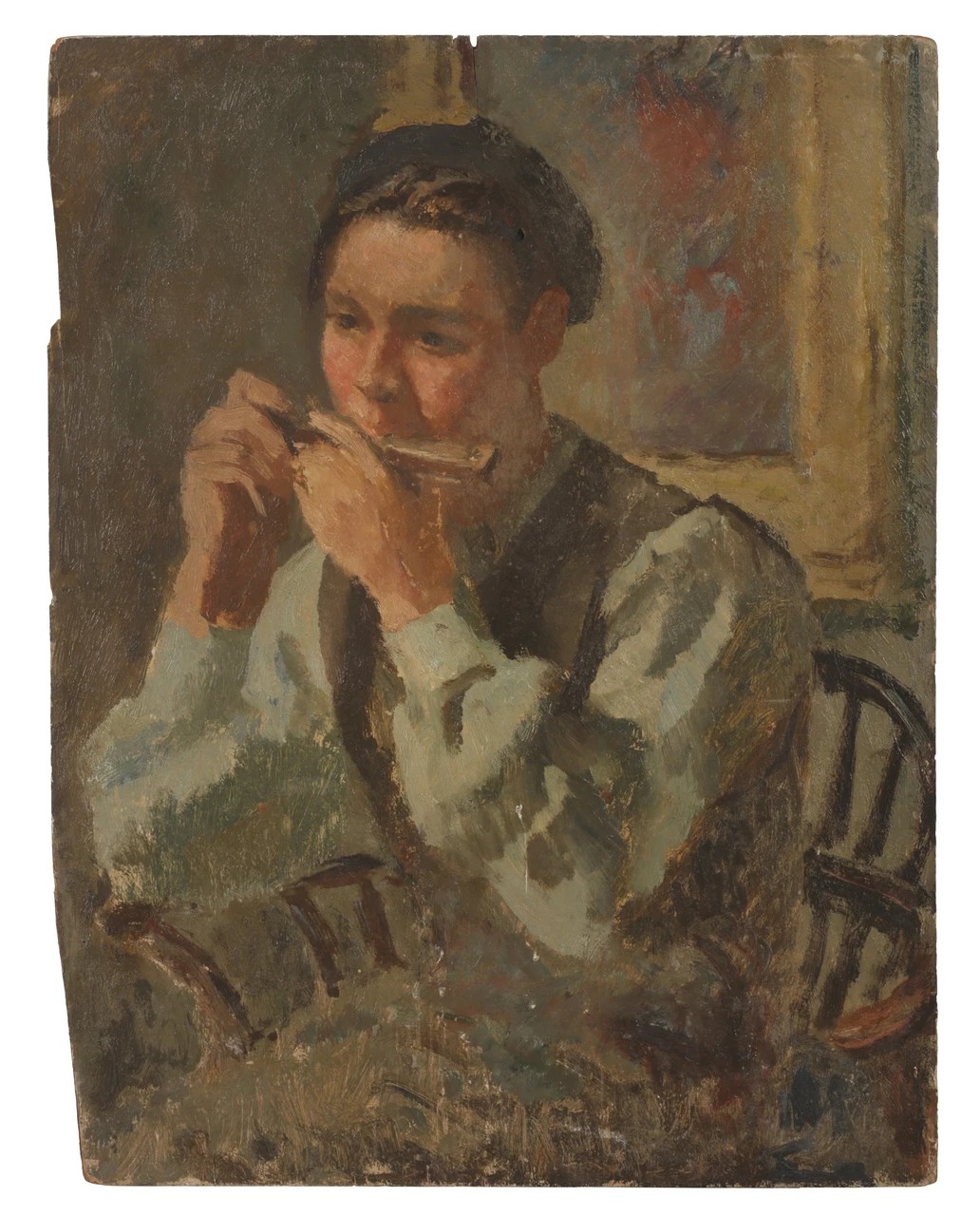
Head of a Boy is an early work of Le Bas, 1929. I’m guessing that Boy Playing a Harmonica is from the same period ?
The family business provided him with a sizable private income which allowed him to travel and paint in Europe and North Africa. His privileged position gave him the opportunity to amass an extensive collection of art notably the Camden Town Group, Eduard Vuillard and Duncan Grant.
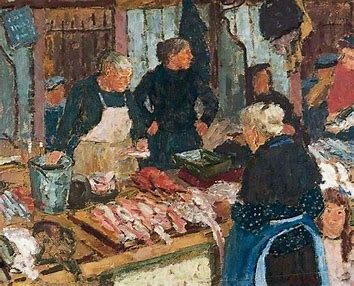
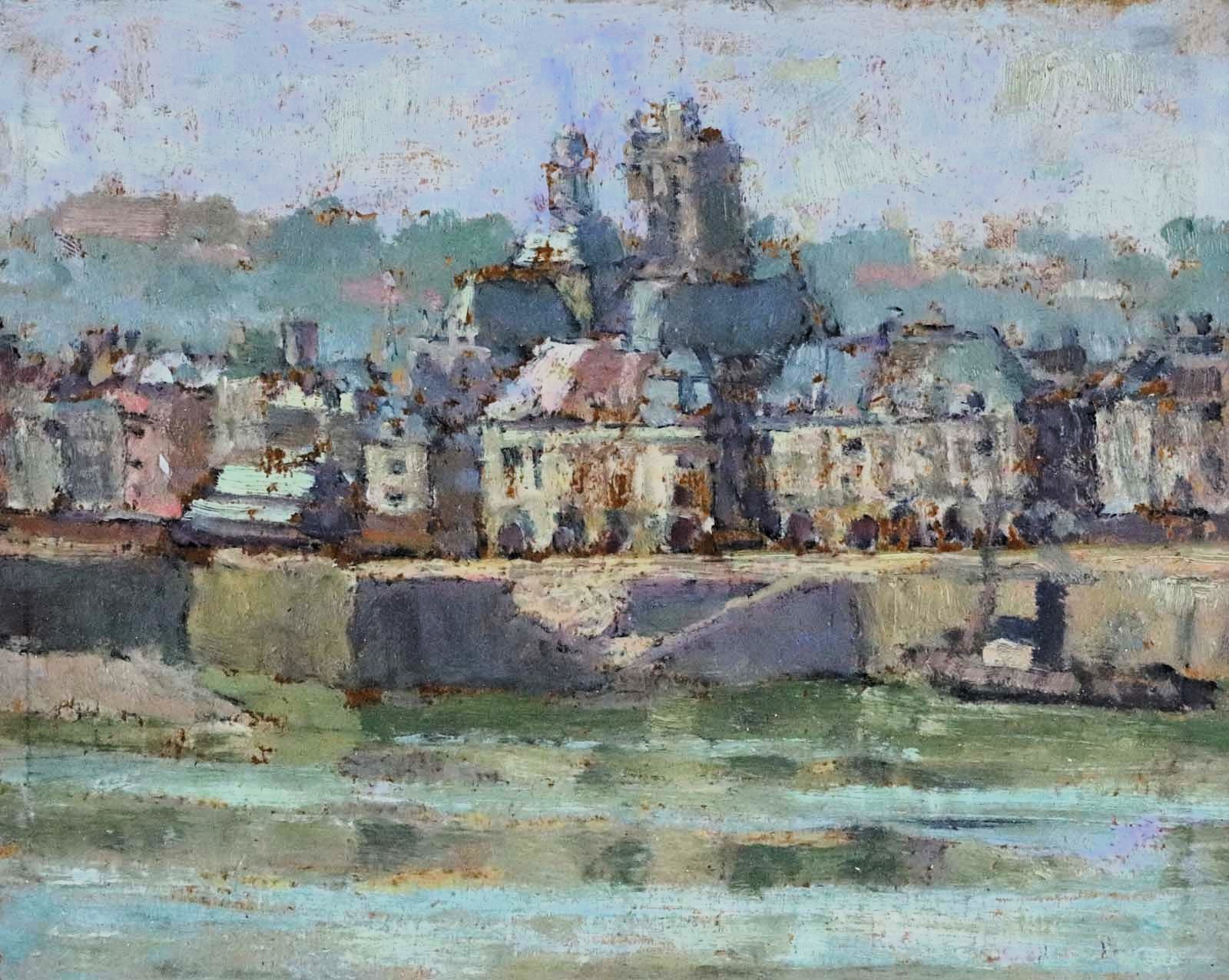
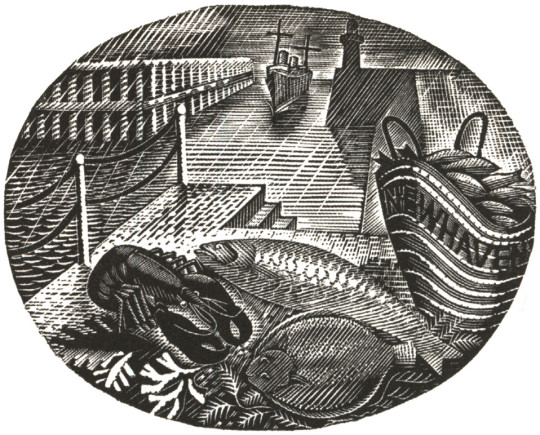
Dieppe Fish Market 1948. Dieppe. Gruissau Pollensa, Majorca.
Le Bas travelled extensively and worked in Majorca, France and Morocco. Le Bas held his first solo show at the Lefevre Gallery in 1936. He exhibited at the Royal Academy from 1933. He also exhibited at the Redfern and Goupil Galleries, Michael Parkin Gallery, Arthur Tooth and Son and New English Art Club.
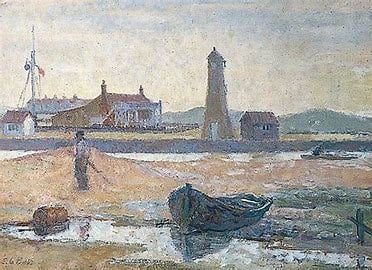
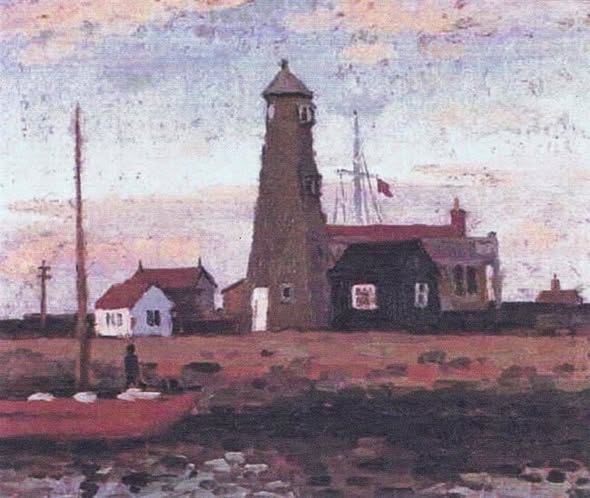
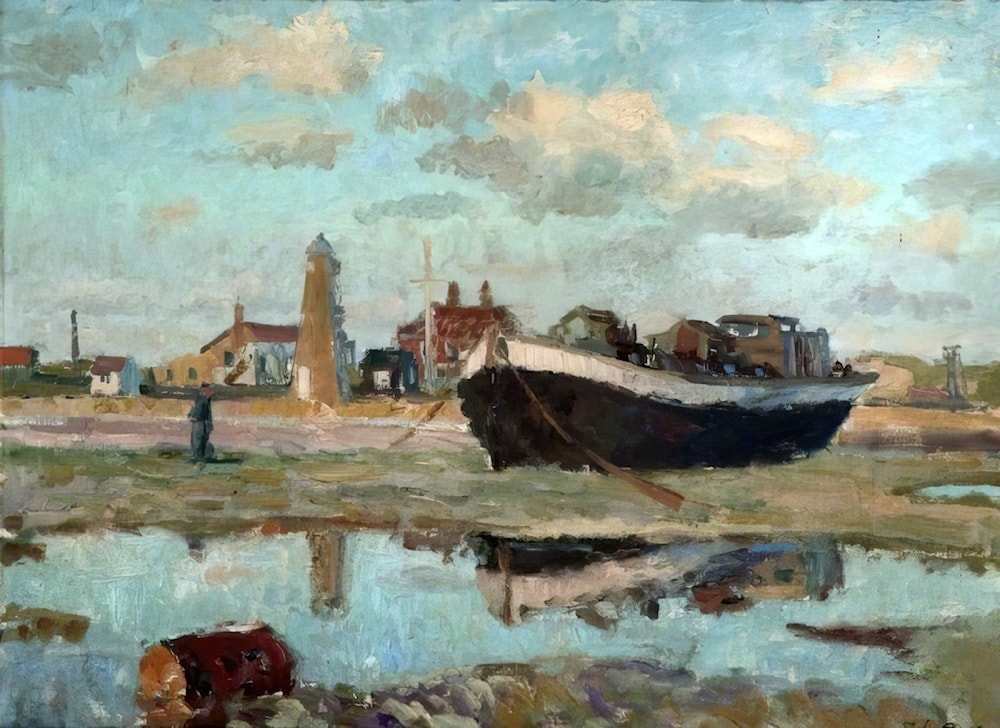
Rye Harbour, four oil paintings 1938.
In 1938 Le Bas staying at his Newhaven cottage, saw what his friend and former RCA colleague Eric Ravilious was painting and liked it. Seeing the unfinished Rye Harbour he insisted on buying it there and then. La Bas also painted the same scene of the lighthouse over the next year.
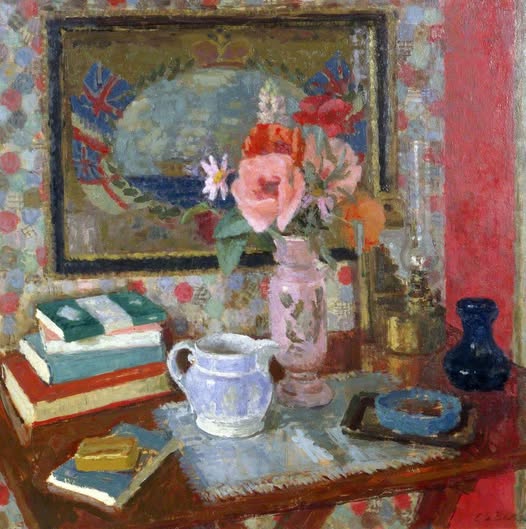
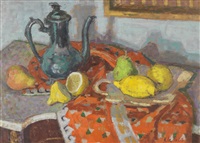
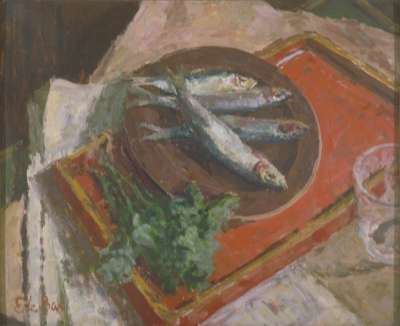
Still life paintings were popular with Le Bas, the Bedside Table, 1940 exudes brilliant colour.
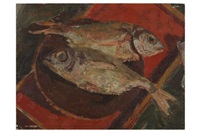
The Bedside Table, 1940. Bowl of Fruit on a Striped Tablecloth. Still Life with Lemons Pears, and Coffee Pot. Still Life with Fish. Herrings.
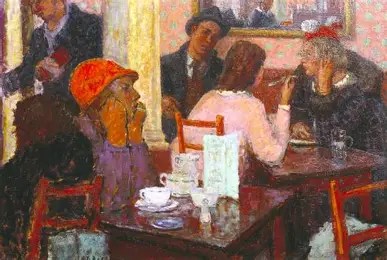
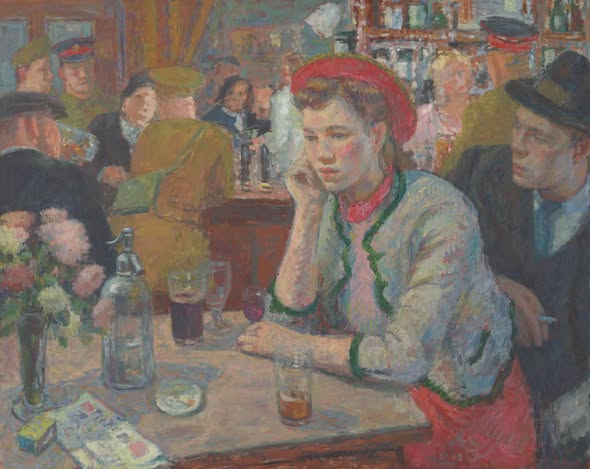
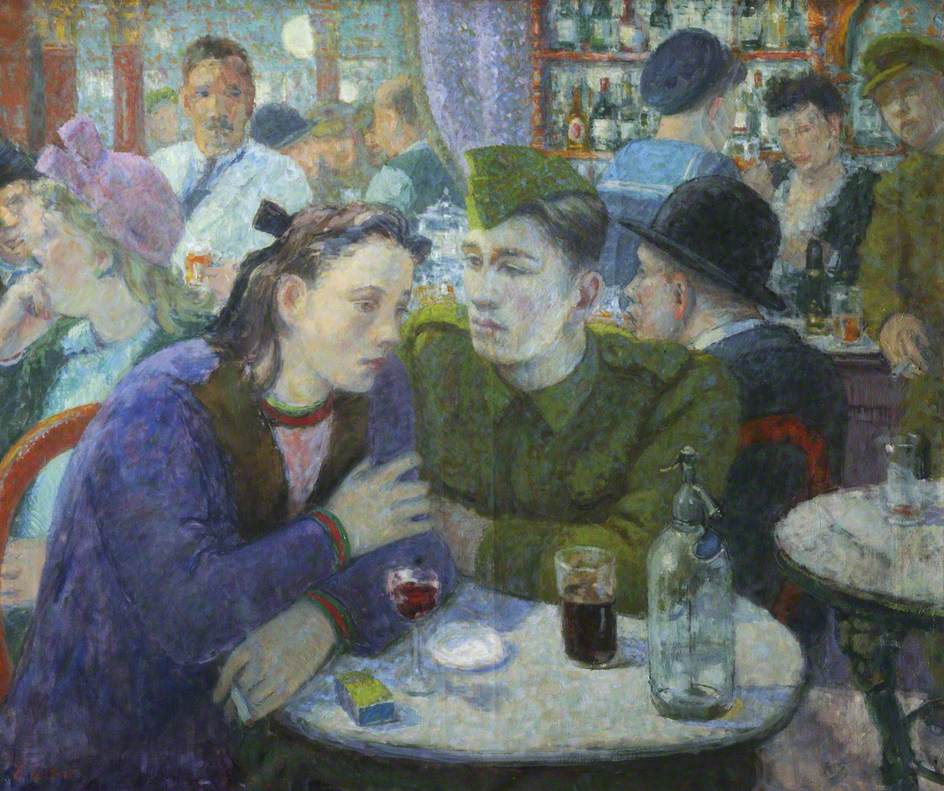
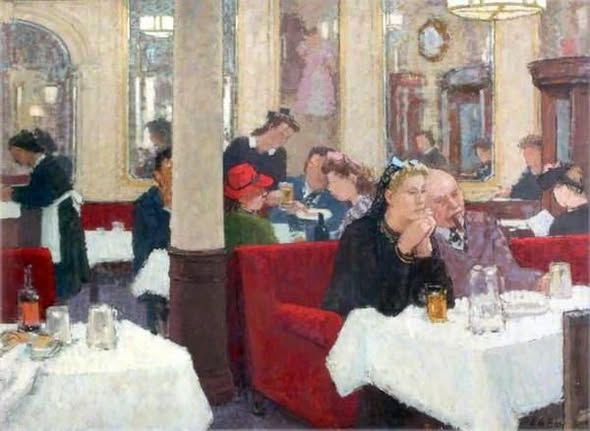
Le Bas was fond of portraying café scenes, from the more humble establishments to the refined Garrick. Here we have, Café Scene 1939. The Saloon Bar 1940. Café Scene. Dinner at the Garrick, 1946, Lady Lever Art Gallery.
Angelica Garnett (née Bell 25 December 1918 – 4 May 2012), was born at Charleston Farmhouse in East Sussex on Christmas Day 1918. She was the biological daughter of the painter Duncan Grant and Vanessa Bell; her aunt was Virginia Woolf.
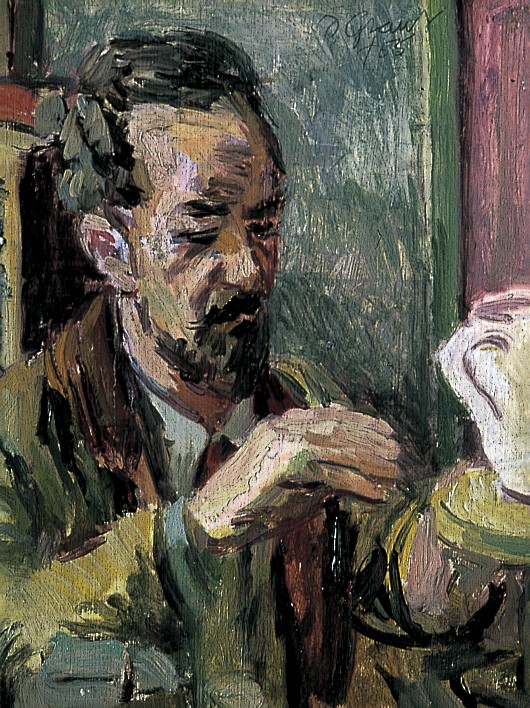
Le Bas was a very good friend of both Duncan Grant and Vanessa Bell, as well as being a regular visitor to Charleston. This friendship was long lasting and included holidays to Venice and Provence. Le Bas posed for Grant for the Berwick Church murals in 1944, tied to an easel for the Crucifixion. Grant painted a portrait of Le Bas in 1955 pictured painting a pot. The vase was potted by Quentin Bell, and both Bell’s and Le Bas’ identifying marks are on the base of the piece.
Duncan Grant: Portrait of Edward Le Bas painting a pot. Charleston.
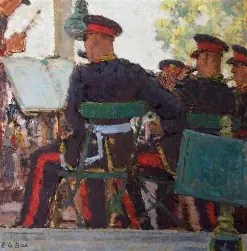
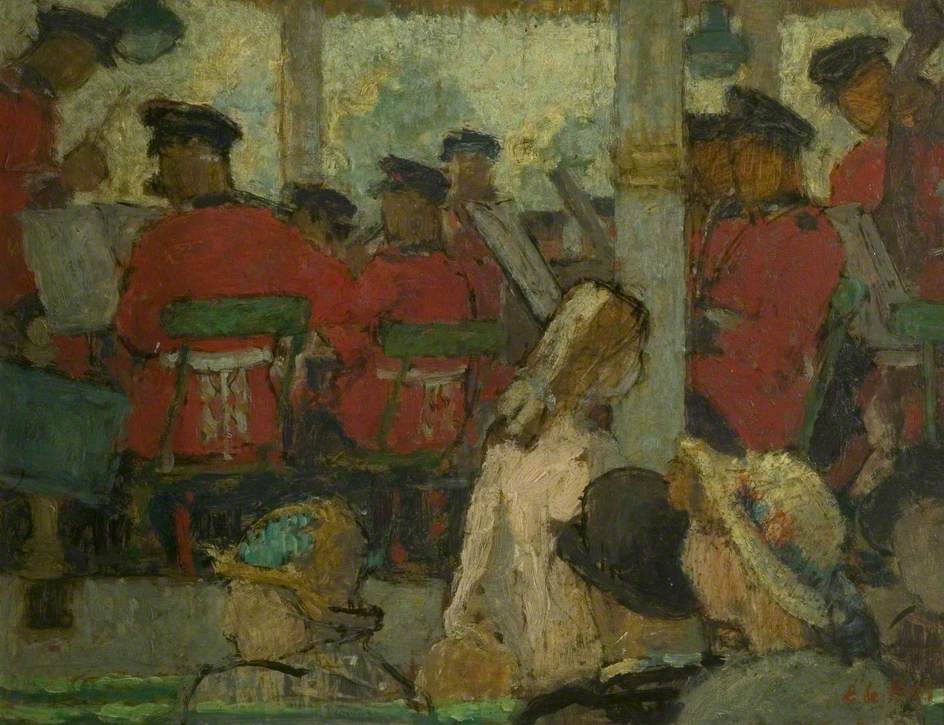
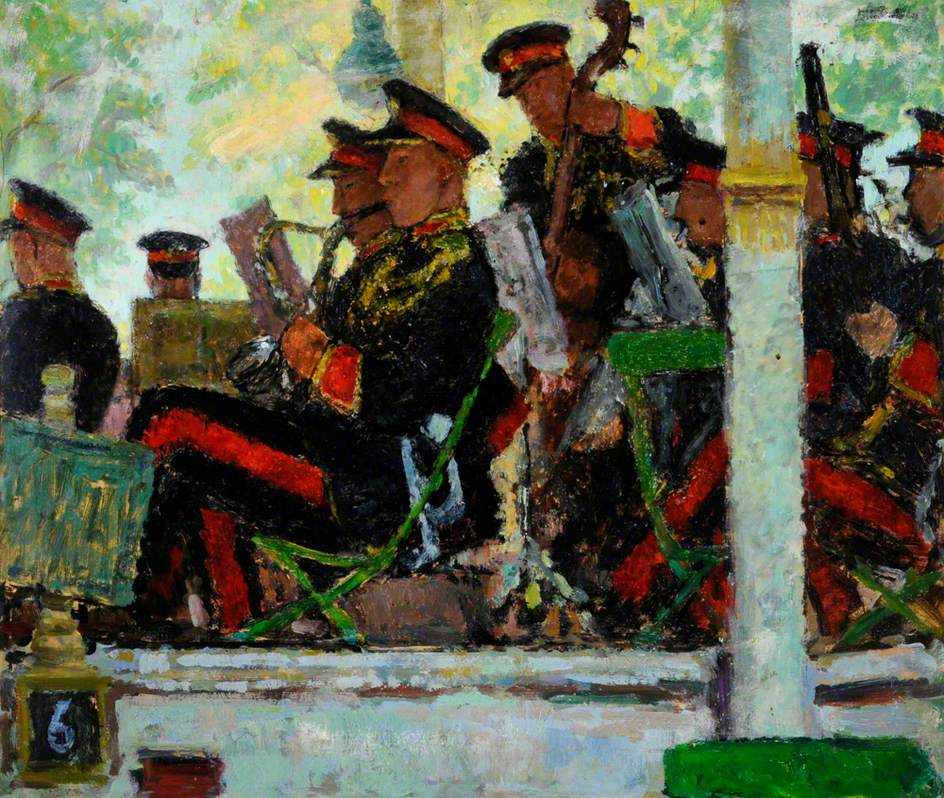
The Bandstand in Hyde Park, 1948.
Le Bas was elected a member of the London Group in 1942; he exhibited at the Royal Academy from 1933 and was elected an RA in 1949. He was awarded the CBE in 1957 and resided in Chelsea from 1948.
Highlights of his own collection were shown as an exhibition, A Painter’s Collection, at the Royal Academy in 1963, and received highly favourable reviews. Le Bas was a member of the Bequest Committee established by English sculptor Francis Leggatt Chantrey, which was designated to fund the purchase of fine paintings and sculptures produced in Britain. Le Bas’s collection was described in one review as containing no depictions of violence and having works with a wide variety in comparative quality.
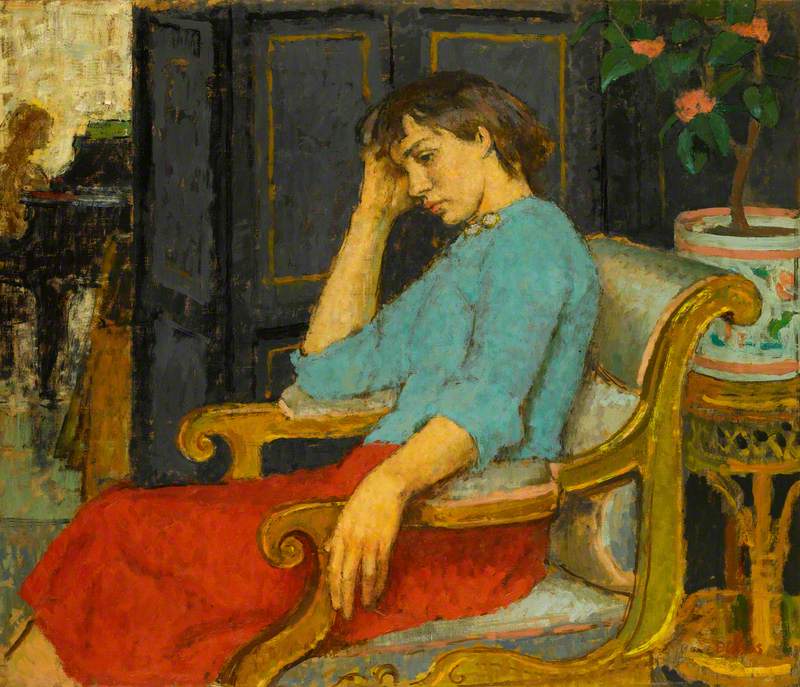
The Tea Table 1947-48. Girl in Pink 1952. Girls in a Blue Armchair 1954.
Numerous public galleries in Britain, including the Tate, and in Australia, New Zealand and South Africa hold examples of his paintings.
Le Bas died 23rd July 1966 aged 61. He is buried in Highgate Cemetery West.
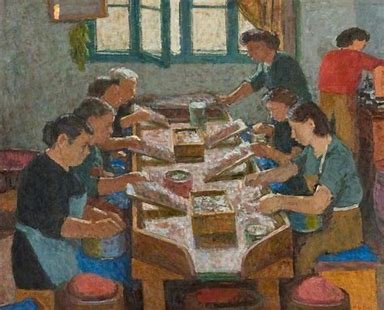
Anchovy Packers, McLean Museum and Art Gallery. Exhibited 1953.
Thanks to:- Wikipedia, just about the only info’ re Edward Le Bas as repeated by a host of on-line gallery bio’s. I’ve included some new information.
Betty ‘Duffy’ Ayers, artist, born 19 September 1915; died 10 November 2017.
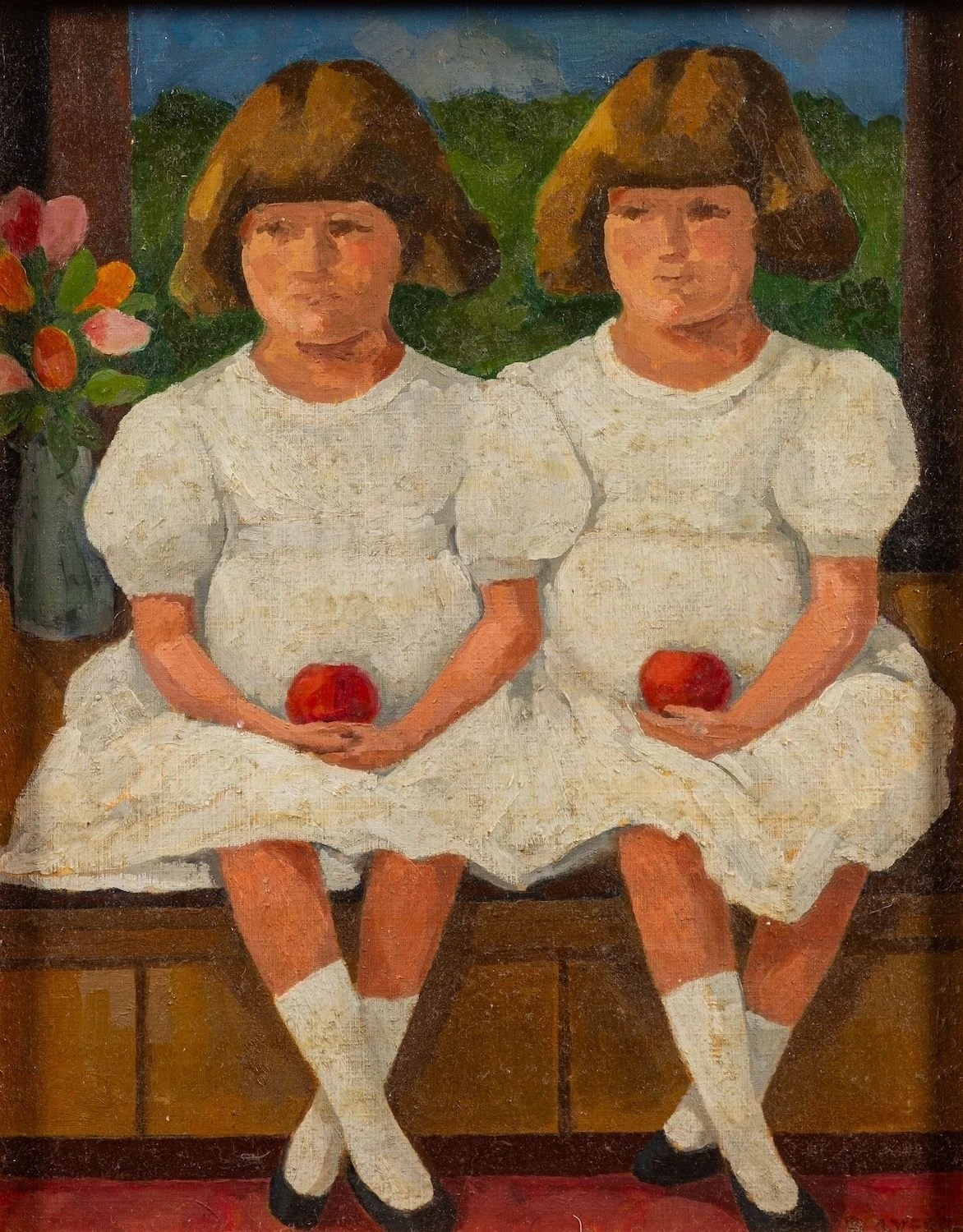
Duffy was born Betty FitzGerald, with an identical twin, Peggy, in Great Missenden, Buckinghamshire. Their father, William FitzGerald, the feckless brother of the Irish nationalist politician and poet Desmond FitzGerald, abandoned the family when the twins were very young. Their American mother, Laura (nee Farlow), felt she had no alternative but to leave her daughters in a convent school on the Kent coast while she went to teach English in Turkey.
While the other pupils went home for their holidays, the FitzGerald girls stayed with the nuns, who treated them, they recalled, with great cruelty and starved them of affection. The girls did not recognise their mother on her return after seven years’ absence. Emotionally, Duffy was deeply scarred by this long childhood experience but it consolidated in her a remarkable stoicism and strength of character, and she was herself the gentlest of women.
Peggy and Duffy.
In the early 30s Duffy attended the Central School of Art in London where she met Michael Rothenstein, later to become one of the leading printmaker-artists of his generation. They married in 1936, she 21, and moved to Great Bardfield in 1941. They lived initially in Chapel House (in the grounds of John Aldridge’s Place House) before moving to Ethel House in the High Street.. The north Essex village was home to a distinguished community of artists from the 1930s to the 60s, including Eric Ravilious, Edward Bawden, Tirzah Garwood and John Aldridge.
Duffy’s emergence from the extreme unhappiness of her schooldays no doubt deepened her empathy, during their first years together, with Michael’s slow recovery from the melancholia of myxoedema (arising from a thyroid condition) that had afflicted him throughout his 20s.
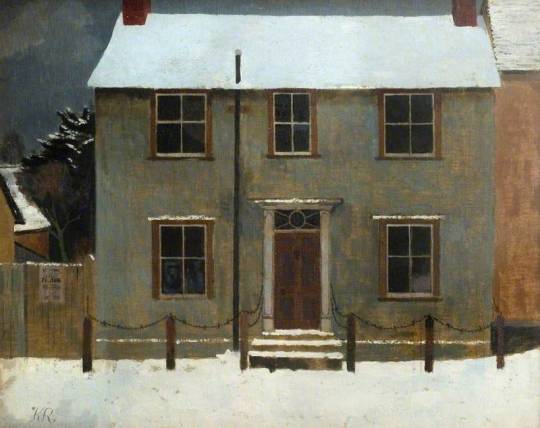
Kenneth Rowntree’s painting of Ethel House.
Duffy did little of her own work during these years, but she collaborated with Michael on large-scale paintings and later assisted his printmaking. During the second world war she made few paintings of her own but worked at times with the designer Peggy Angus on wallpaper designs.
Duffy was a gifted portrait painter and an early subject was Tirzah Garwood wife of Ravilious lost over Iceland in 1942.
Later she taught art to the local women of the Women’s Institute proving to be a gifted teacher who encouraged original work of remarkable quality. During the war she maintained a lively correspondence with Robert Graves, a pre-war friend who was a regular visitor to Great Bardfield now living back at home in Deya, Majorca following an exile during the Spanish Civil War and WW2.
During the war Duffy was almost killed when a bomb fell near a bus she was on. “I escaped because I was on the top floor,” she said.
Portrait of Kitty Wilson 1945. Fry Art Gallery. Kitty Wilson was a remarkable woman. Born in Deal, she worked for Dr Barnado’s in Essex for several years, caring for young disabled girls. In 1929 she travelled to Kalimpong in India to look after deprived children, returning to Essex after three years due to health problems.
Duffy and Michael’s son Julian, later founder of Redstone Press, was born in 1948, and daughter, Anne, who became an artist, was born in 1949.
By the mid-50s, Great Bardfield had become famous for its popular Open House exhibitions, initiated in 1951, when several of its artists were employed on murals and design work for the Festival of Britain. For several years, for a summer fortnight, thousands of art lovers descended on the village to traipse through the artists’ houses, delighted by a figurative English modernism that was accessible and stylish, often depicting the life of the village and the landscape around it. During the 40s and early 50s Duffy was a lively presence at the heart of this social and artistic activity. Michael had by this time set up printmaking facilities at Ethel House on the High Street (later enlarged with a studio extension by Frederick Gibberd).
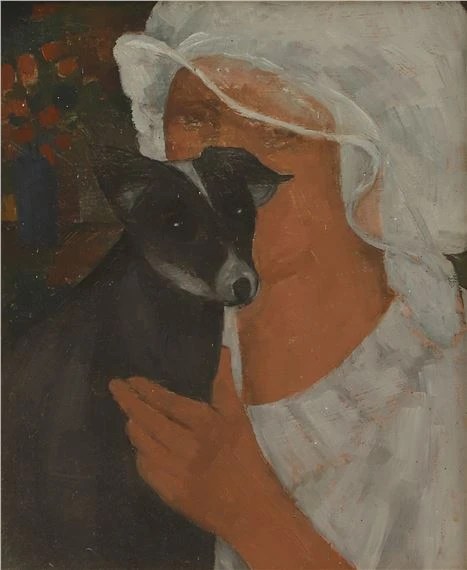
Left: This painting has a strange history. Duffy painted herself, or her twin sister, in the 1950s (she was then Duffy Rothenstein). But she threw the painting away (perhaps she was dissatisfied with it) and it was literally rescued from the wastepaper basket by the babysitter, Mrs Perkins. Her son Don Perkins gave it to the Great Bardfield Historical Society in 2011. Right: Self Portrait by Peggy Fitzgerald, Tullie House Gallery, Carlisle.
In 1955 Duffy and Michael separated, and they divorced in 1956. Duffy married the graphic artist, Eric Ayers (1921-2001). “He was always waiting in the wings,” she said. Duffy left Great Bardfield, and stopped painting for many years. Following her second marriage, to Eric Ayers, she moved to a Georgian house in Bloomsbury, central London, where she lived for the rest of her life. She showed regularly at the Royal Academy Summer Exhibitions, and in commercial galleries.
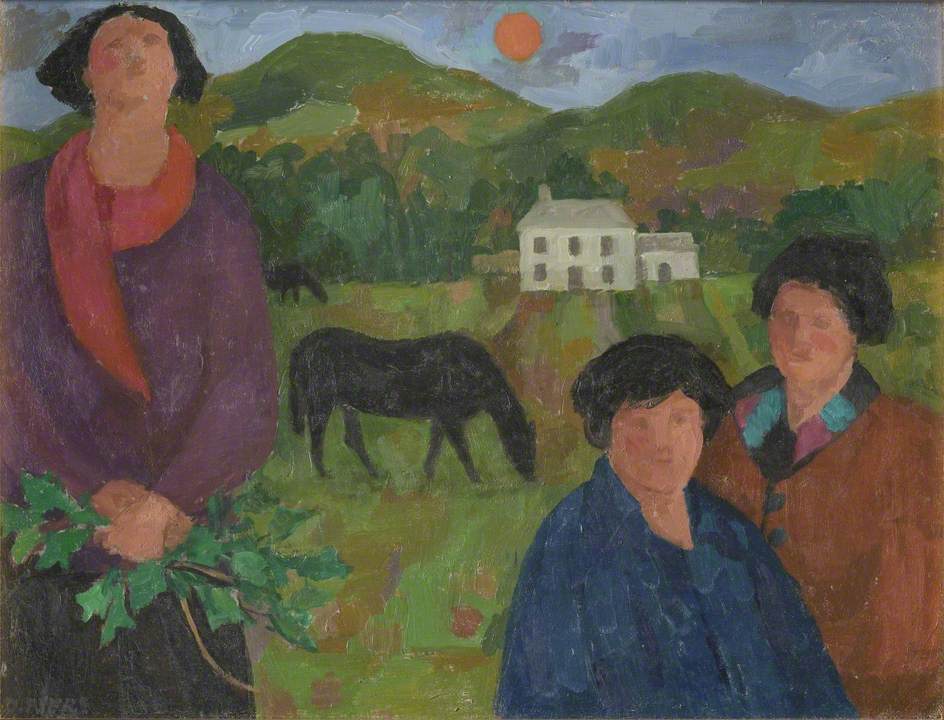
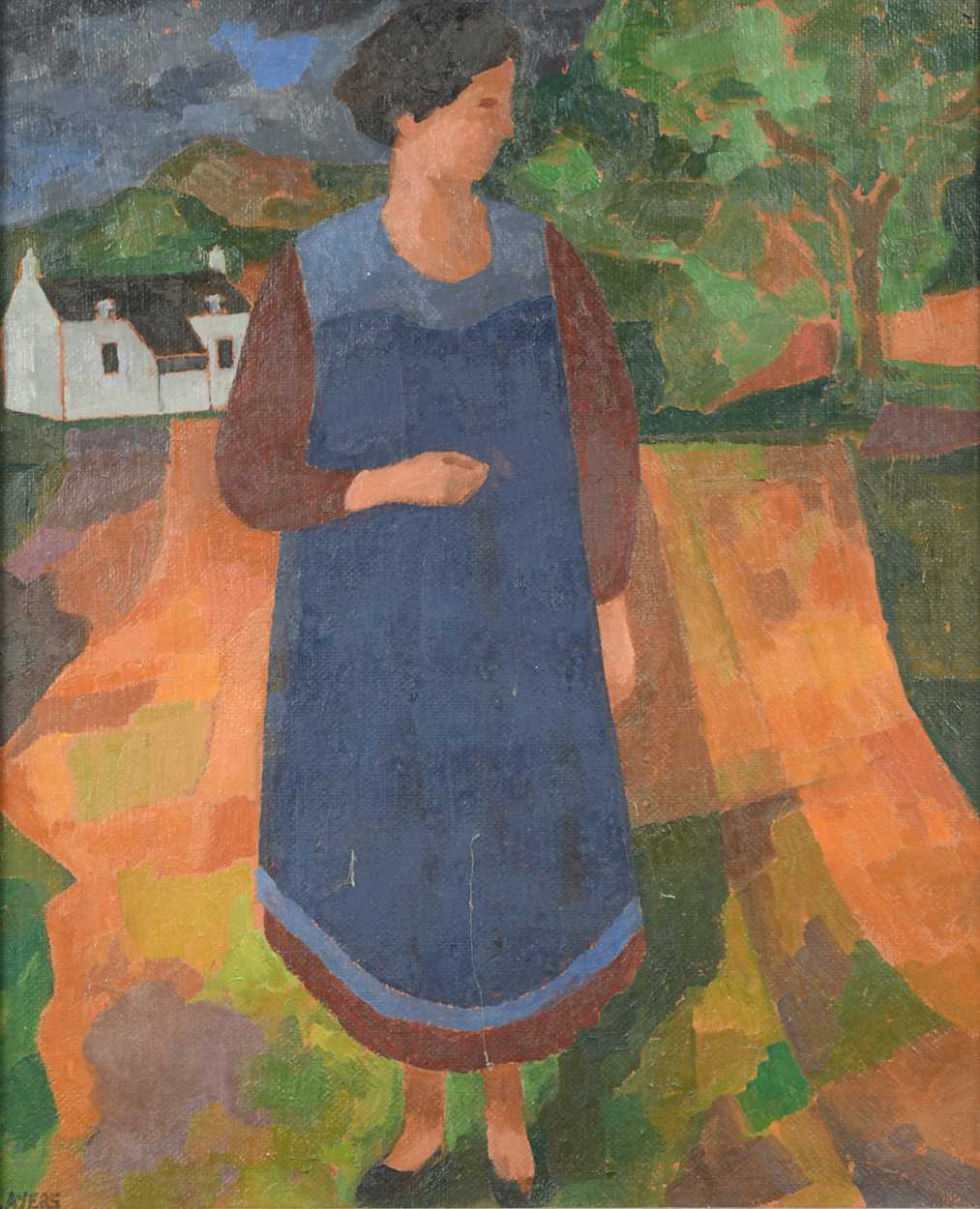
Still Life Reclining Nude The Hill Farm Girls
Duffy’s work included a few still life paintings but mainly women, full face in ageless garments. She avoided landscapes, “leaves are horrid repetitious shapes !”
Top left: Scarves, date unknown, Fry Art Gallery. Middle: woman with Scarf. Top right: Unknown. Bottom left: Olive in her garden, presume friend Olive Cook. women in White, 1996.Right: Family Group.
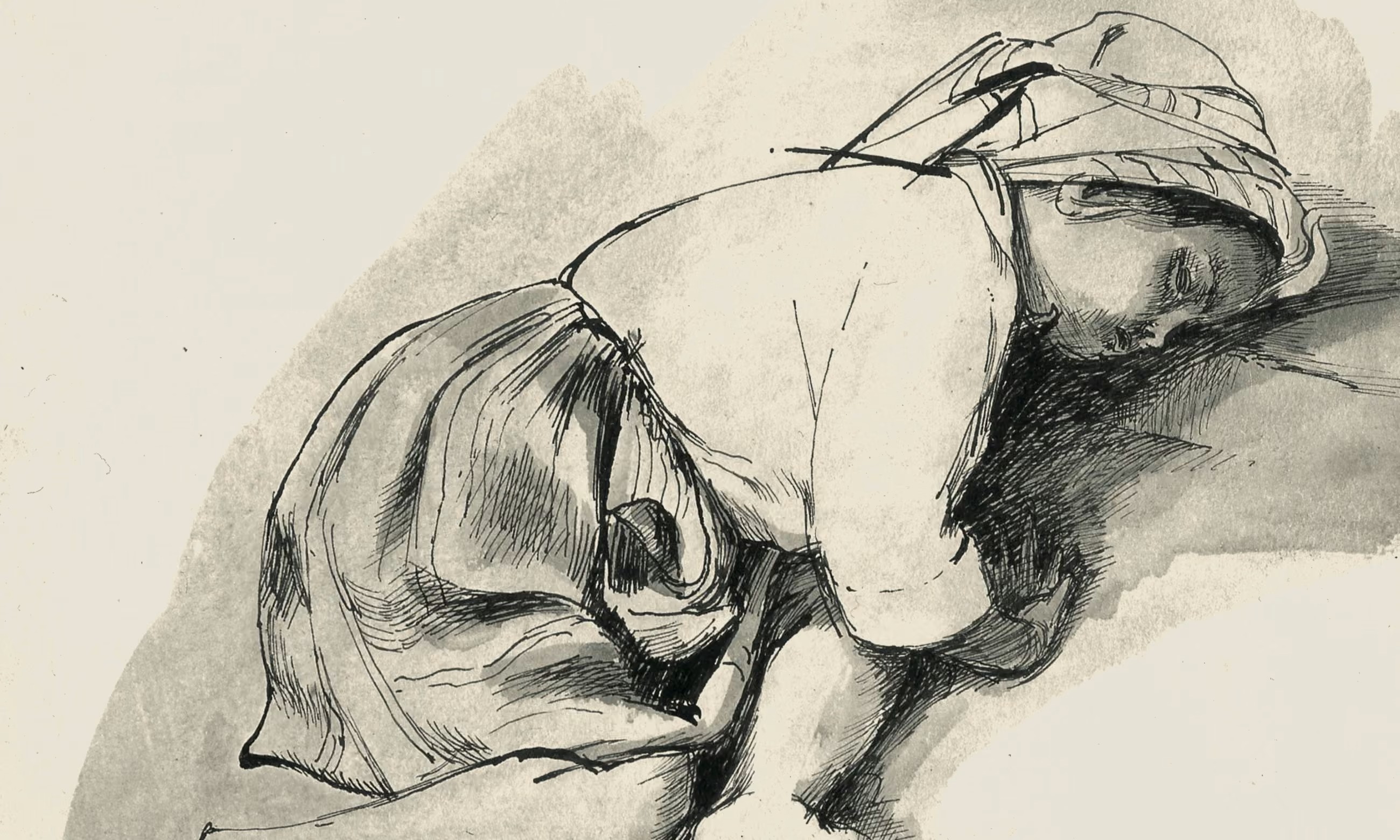
Top left: Girls with Dog. Middle: Girl with Fishes. Tope right: The Apple Eaters. Bottom left: Girls in Blue (portrait of Anne), Fry Art Gallery. Bottom right: Ink Drawing of Daughter Anne.
After Eric died in 2001, Duffy carried on painting until a fall left her frail. In 2006 an Australian couple, Sven Klinge and Belinda Murphy, moved in as temporary carers; they stayed for 11 years. They kept Duffy alive and alert, steered her through many interviews about her years in Great Bardfield and monitored her increasing dementia. Despite the late onset of blindness, her final decade may well have been one of her happiest. Duffy died in November 2017 at the age of 102
Under the Sun, 1999.
Duffy attributed her long life to simple living. “I used to smoke but I stopped years ago, and for a long time now I have lived an austere life, never eating too much or drinking – though I still like the odd glass of red wine.”
Duffy at home, 4 Regent Square, by Richard Bawden 2009.
Graham Bennison, November 2025, Thanks to Wikipedia but mostly to Mel Gooding, Guardian 11th Dec. 2017 who penned Duffy’s obituary which forms most of the text here given the lack of other sources.
Ravilious visited Newhaven in late July, staying at the Hope Inn during August and September 1935 with friend and fellow artistEdward Bawden, Ravilious had a brief visit to Newhaven in 1934 while staying at Furlongs the cottage of artist friend Peggy Angus. Newhaven was within walking distance of Furlongs, approximately 7 miles. Ravilious first visited Furlong’s at Peggy’s invitation in February 1934 spending four days there before returning home to Brick House, Great Bardfield, Essex, he returned with wife Tirzah in the Spring of 1934. https://httpartistichorizons.org/2020/06/12/eric-ravilious-and-furlongs/
The Hope Inn, Newhaven
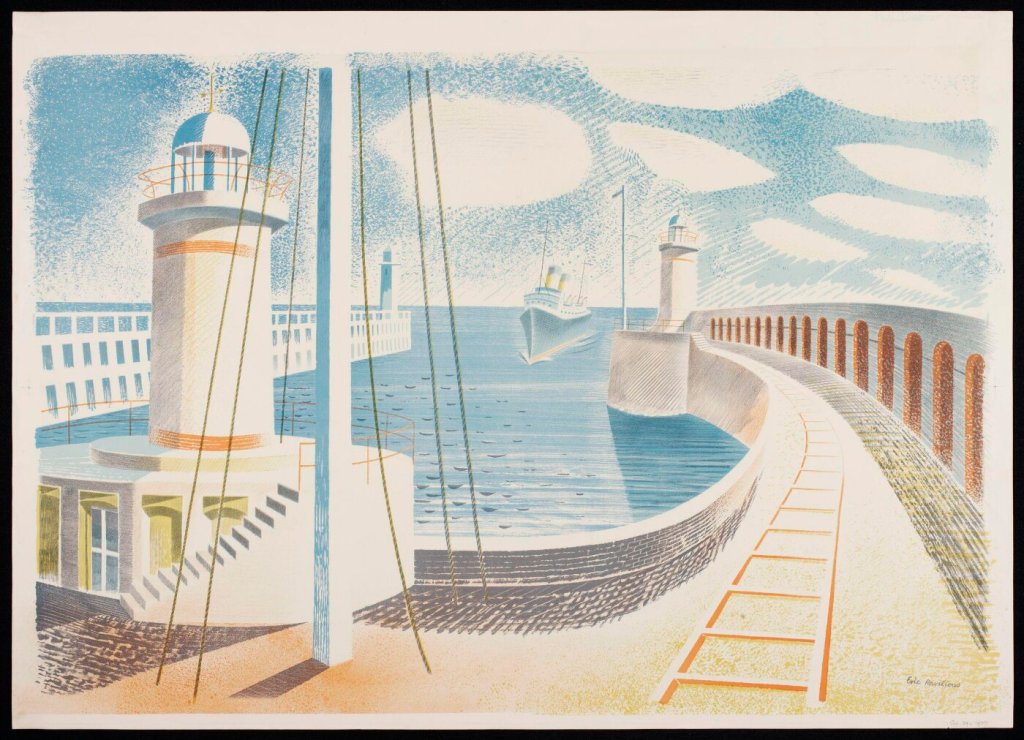
Arriving in Newhaven late July Eric was spurred on by a commission to produce a lithograph for schools, he found his inspiration among the ‘attractive jetties and dredgers’ of the harbour. He picked out the small lighthouses at the harbour mouth, including one with a signalling mast seen in the foreground of Newhaven Harbour, pictured against a cloudless blue sky.
The painted sketch dates from 1935 when ER and Edward Bawden were enjoying their painting holiday together. In August 1935 Tirzah’s diary records: ‘Drove with Daddy (F.S. Garwood) to Newhaven afternoon and saw Eric and Edward. Eric has 7 starts of watercolours.’
We know Ravilious was working down at the harbour on 1st August as Peggy Angus reported: ‘I looked out for you when we embarked and waved to a lanky figure near the angler’s pub.’ Ravilious replied: ‘The lanky figure was me alright.’
The watercolour painting is dated 19th September, 1935. This provided the basis for the lithograph
When Ravilious arrived back at Newhaven in September, 1935, a terrific storm blew up, the worst for years. He walked to the end of the jetty to look at the lighthouse: ‘The spray from the breakers crashing on the weather-side of the breakwater was a quite extraordinary sight – I got very wet and think now it was almost a dangerous walk out there, but worth it.’
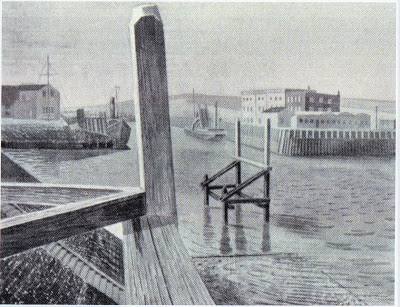
Sketch, Newhaven Harbour. Lighthouses at Newhaven. Newhaven Harbour. Trial for the lithograph ?
The watercolour Newhaven Harbour was bought from the Zwemmer Gallery by Beryl Sinclair, nee Bowker.She studied with Edward and Eric at the Royal College of Art. Nicknamed Bowk. Ravilious painted her twice, once in the Colwyn Bay Pier Murals in the kitchen with a plant and then again in a lost oil painting – ‘Bowk at the sink’, 1929-30.
Newhaven Harbour was originally produced in 1937 as part of the Contemporary Lithographs programme.
The lithograph was part of the brave pre-WW2 experiment Lithographs for Schools, a series issued by Contemporary Lithographs Ltd. The lithographs didn’t sell at the time but are now highly sought after. John Piper was drawn into the project as a general assistant, but it was Barnett Freedman that was the foremost exponent of lithography working with Harold Curwen from the early 1930’s. Freedman was key in persuading friend Ravilious to try his hand at lithography.
Dredgers 1934, a watercolour that merited inclusion in a 1937 Studio magazine. Sadly now lost, whereabouts unknown.
The James and the Foremost Prince, also dated August 1934.
‘The James’ and ‘The Foremost Prince’ worked from Brighton Pier in the summer and were laid up at Newhaven out of season.
Channel Steamer Leaving Harbour
This watercolour depicts the steamer SS Rouen as it left for Dieppe, and was completed by Ravilious at the Hope Inn in Newhaven, within a day of the initial sketch. Ravilious wrote to his mistress Helen Binyon: ‘Sweetie the holiday crowd downstairs is making a great noise with concertinas and pianos and drunken song, I rather like it.’
Brighton Queen at Night 1935.
The Brighton Queen, was dive-bombed and destroyed in 1940 during the evacuation of troops from Dunkirk. This watercolour was a product of the second stay in September. Back at Castle Hedingham writing to Helen Binyon, Ravilious told how he had sold this work for 12 guineas to W H (Pink) Crittal, a member of the window manufacturing company. See….. https://httpartistichorizons.org/2023/07/25/ariel-crittall/
Edward Bawden: Ferryboat Entering Newhaven Harbour.
In the autumn of 1933 Peggy visited Zwemmer’s Gallery in London to view works by Eric Ravilious and Edward Bawden. Visiting on the last day of the exhibition Peggy longed to buy a painting but by then they had all been sold. So, Peggy wrote to former RCA fellow student Bawden offering to buy a watercolour painting if he would accept an arrangement of paying by instalments of £1 at a time. Bawden replied inviting Peggy to visit Brick House for a weekend so she could choose a watercolour.Peggy dulyvisited Brick House in January 1934 and arranged to buy a painting. Ferryboat Entering Newhaven Harbourwas completed later,
I understand she didn’t receive the watercolour until February 1936 when it was framed. At Brick House Peggy was bowled over by the decorations on the walls, the ceiling and floor. Peggy was pleased to see Eric again having only bumped into him once on Westminster Bridge since leaving the Royal College of Art. She was also able to meet Tirzah, Charlotte Bawden had been a fellow student at RCA.
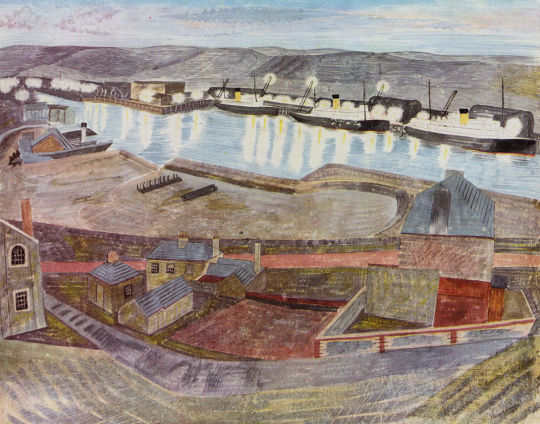
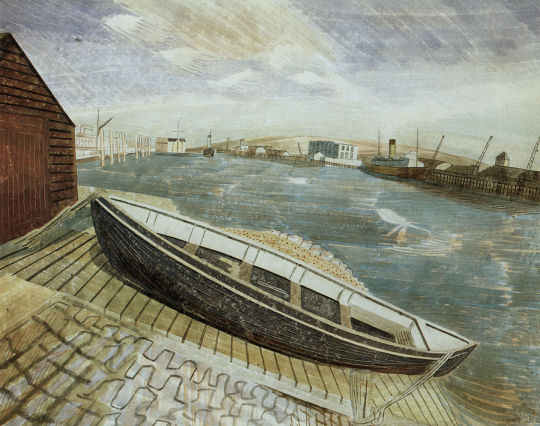
Bawden was more prolific than Ravilious in Newhaven, here are four more of his Newhaven watercolours.
The friendship between Bawden and Ravilious was not always harmonious, Edward strongly disapproving of Eric’s affair with Helen. Ravilious stated on one occasion that he was fed up of Edward’s malicious digs. In February 1936 Ravilious wrote to Helen: ‘I won’t go away with him this summer if I can tactfully avoid it. Newhaven was a strain and I feel twinges of it still.’
February, Wood-engraving for the Country Life Cookery Book, 1937